 blog
blog
7 Ways to Improve Lymphatic Drainage Naturally
Table of Contents
- Why Lymphatic Drainage Matters for Your Health
- 1. Incorporate Lymphatic Drainage Exercises Into Your Daily Routine
- 5. Add Gentle Stretching and Yoga to Your Routine
- 6. Use Lymphatic Drainage at Home With Hot and Cold Therapy
- 7. Walk and Engage in Low-Impact Exercise
- Frequently Asked Questions
Last Updated: October 5, 2026
Why Lymphatic Drainage Matters for Your Health
Your lymphatic system removes waste and supports immune function, but unlike your circulatory system, your lymphatic drainage naturally depends on movement, muscle contractions, and gravity to keep lymph flowing.
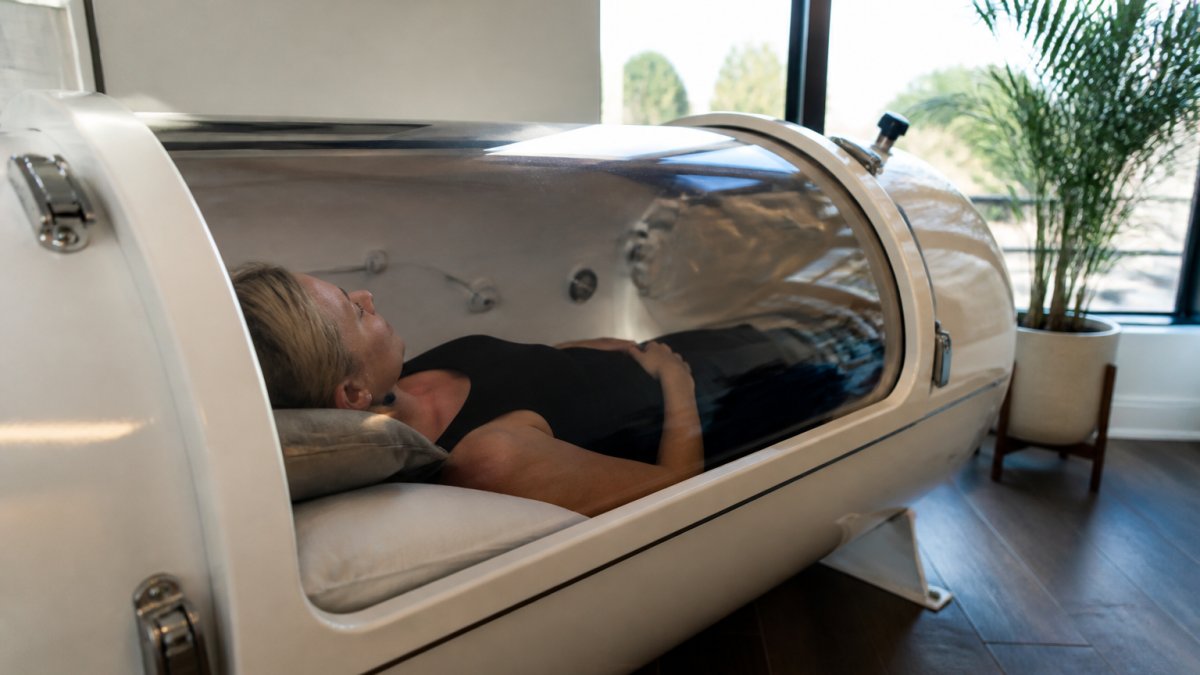
The good news: you don't need expensive treatments. At Wellness Oasis, we offer a customized, holistic approach to healing and recovery, featuring advanced modalities like infrared heat and Infrared light saunas, hyperbaric chambers, therapeutic massage and specialized lymphatic detox treatments.
Below, we'll show you how to support your lymphatic drainage naturally with techniques you can start today, most taking just 10-15 minutes daily.
1. Incorporate Lymphatic Drainage Exercises Into Your Daily Routine
Movement is the most powerful way to activate your lymphatic system. Unlike your heart, which pumps blood automatically, your lymph relies on muscle contractions to push fluid upward against gravity, so gentle, repetitive movement creates a pumping action that keeps lymph moving.
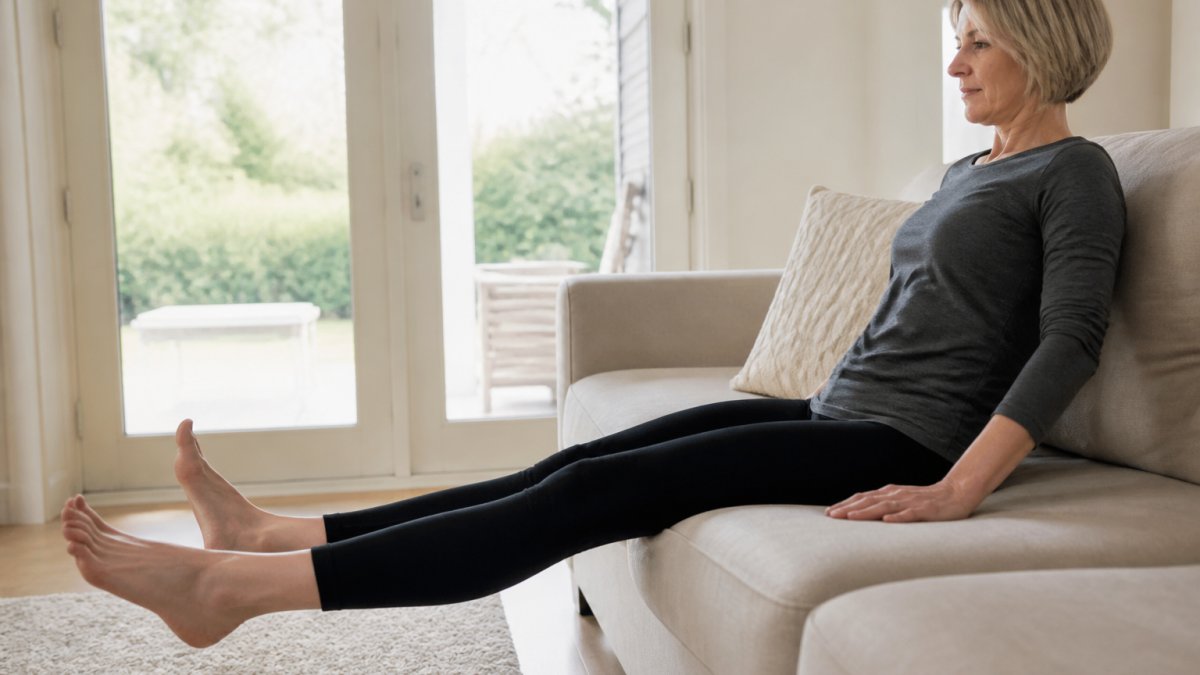
The best lymphatic drainage exercises are low-impact and rhythmic; steady, purposeful movement activates the muscle groups that support lymph flow without overwhelming your system.
Ankle Pumps and Leg Lifts
Ankle pumps are among the simplest, most effective lymphatic drainage exercises, activating the calf muscles that act as a secondary heart for your lower body.
How to perform ankle pumps:
- Sit comfortably with your feet flat on the floor or extended in front of you
- Point your toes downward, then flex them back toward your shins
- Repeat this pumping motion for 1-2 minutes
Leg lifts complement ankle pumps by engaging larger muscle groups: lie on your back, lift one leg 12 inches, hold 2 seconds, and lower, alternating for 10 reps per side.
(https://www.heart.org/en/healthy-living/healthy-lifestyle/stress-management/breathing-exercises-for-stress-relief), or professional care.Hydration Safety and Realistic Expectations
More water isn't always better. Excessive intake without matching electrolytes can dilute blood sodium (hyponatremia), which can become serious, rare in daily life but worth knowing if you're pushing fluids aggressively, especially during endurance exercise (Hyponatremia caused by excessive intake of water as a form of child abuse).
People with kidney disease, heart failure, or liver conditions are often given specific fluid restrictions; follow your physician's guidance rather than a general target.
What to realistically expect:
- Improved energy and less bloating within days of consistent hydration
- No dramatic change in chronic swelling from water alone
- Better results when hydration is paired with movement and breathing practices
A Simple Daily Hydration Framework
For a concrete starting point, try this structure:
- Morning: 16 ounces of water within 30 minutes of waking
- Midday: 16-24 ounces spread across the late morning and lunch
- Afternoon: 16-24 ounces, plus an electrolyte source if you exercised
This keeps fluid coming in steadily rather than in spikes, which is easier to sustain. Adjust upward on hot days, during illness, or with more physical activity.
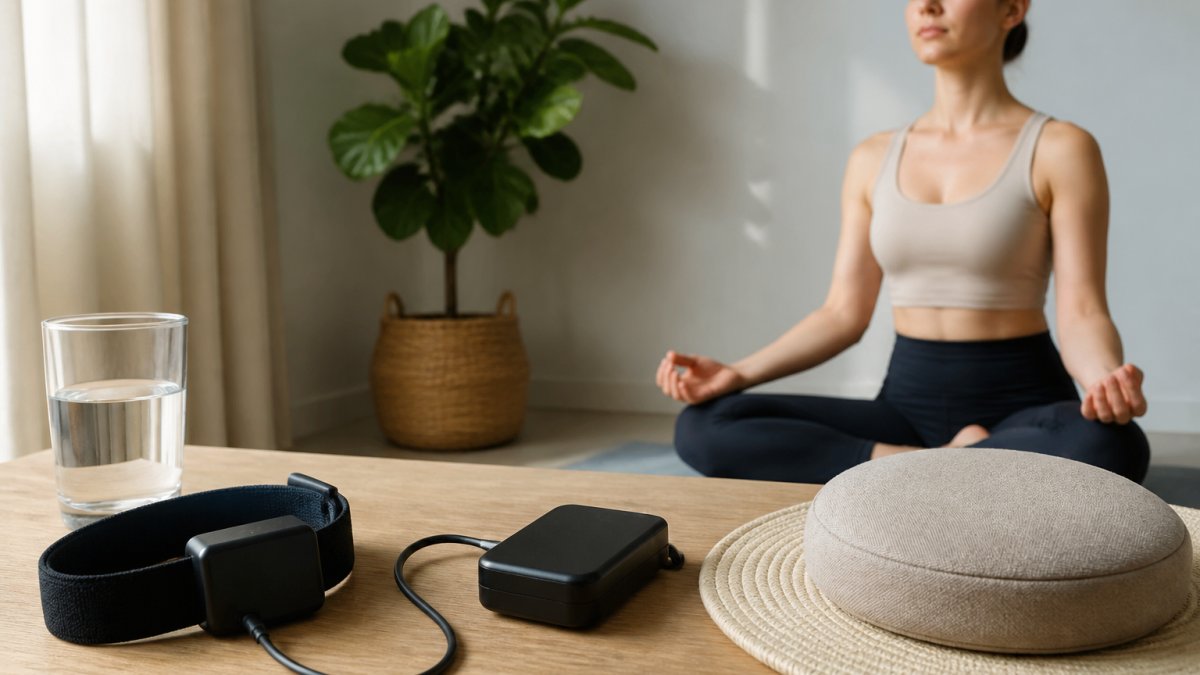
5. Add Gentle Stretching and Yoga to Your Routine
Stretching and yoga activate muscles that support lymphatic flow while improving flexibility and reducing tension.
Twisting, forward-bending, and gentle inversion poses are particularly effective, using gravity and muscle contractions to move lymph toward the torso and upper body, where major lymph nodes are concentrated.
Effective yoga poses for lymphatic support:
- Child's pose (gentle abdominal compression)
- Cat-cow stretches (spinal flexion and extension)
- Forward folds (inversion and hamstring engagement)
Hold each pose 30 seconds to 2 minutes, breathing deeply. Many practitioners find a 15-minute daily routine produces noticeable improvements in swelling and energy within 2-3 weeks.
6. Use Lymphatic Drainage at Home With Hot and Cold Therapy
Temperature changes stimulate lymphatic vessels to contract and relax, encouraging fluid movement. Alternating heat and cold, called contrast therapy, is popular among athletes and recovery-focused individuals.
Heat dilates blood and lymphatic vessels, increasing circulation; cold constricts them. Alternating creates a pumping effect thought to move lymph more efficiently.
What the Evidence Supports (and What It Doesn't)
Contrast therapy has a long history in sports recovery and physical therapy, but the claim that hot-cold cycling meaningfully accelerates lymphatic drainage in healthy people isn't strongly established in controlled research, most support comes from clinical experience and physiological reasoning.
That doesn't make it useless, but treat contrast therapy as a supportive practice, not a proven treatment for lymphedema or chronic swelling. If you have a diagnosed lymphatic condition, work with a clinician rather than self-treating.
A Practical Contrast Therapy Routine
If you want to try it, here's a commonly used structure:
- Start with 3-5 minutes of heat (warm shower, sauna, or heating pad)
- Switch to 1-2 minutes of cold (cold shower or ice pack)
- Repeat the cycle 3-4 times, always ending with cold
Think in terms of tolerable temperature rather than exact degrees: warm but not scalding, cold but tolerable. In a shower, start comfortably warm and gradually shift to cool rather than jumping straight to cold.
Who Should Avoid Contrast Therapy
This part matters more than the routine itself.
Skip contrast therapy, or get medical clearance first, if you:
- Have peripheral neuropathy or reduced sensation in your feet or legs (you may not feel burns or cold damage)
- Have Raynaud's phenomenon or other circulation disorders
- Are pregnant
Cold immersion in particular carries cardiovascular stress; if you have any heart condition, talk to your physician first.
Realistic Expectations
Many people notice reduced swelling and improved energy after a single session, but the effect is often temporary; cumulative benefit comes from regular practice over weeks. If nothing changes after 2-3 weeks of consistent use, it may simply not suit your body.
7. Walk and Engage in Low-Impact Exercise
Walking is one of the most underrated forms of lymphatic drainage naturally.
Low-impact exercises like swimming, cycling, and elliptical training offer similar benefits.
Optimal walking practice for lymphatic health:
- Walk 30-45 minutes daily at a comfortable pace
- Aim for a pace where you can talk but not sing
- Include varied terrain (hills activate muscles more than flat ground)
Many people find daily walking resolves chronic swelling, improves sleep, and boosts energy. Consistency beats intensity: 30 minutes daily outperforms one intense weekly workout.
Supporting your lymphatic drainage naturally doesn't require expensive treatments or complex routines.
At Wellness Oasis, we combine these natural approaches with advanced tools like our BallancerPro Lymphatic system and infrared saunas to accelerate results. Whether you're recovering from injury, managing swelling, or optimizing your health, our team can create a personalized wellness plan that fits your needs. The National Institutes of Health recognizes lymphatic health as foundational to immune function and overall wellness. Start with the at-home strategies today, and contact us to explore how professional lymphatic detox treatments can enhance your results.
Frequently Asked Questions
How does lymphatic drainage naturally improve your immune system?
Your lymphatic system carries immune cells throughout your body and filters out waste and pathogens. When lymphatic fluid moves efficiently, immune cells reach infected or inflamed areas faster. Poor lymph flow allows fluid to pool, which reduces immune response and increases swelling. Movement, massage, and breathing all activate muscle contractions that push lymphatic fluid forward, keeping your immune system mobile and responsive.
Can deep breathing really help with lymphatic drainage?
Yes. Diaphragmatic breathing, breathing deeply into your belly rather than your chest, creates pressure changes in your abdomen that act like a pump for lymphatic fluid. When you inhale, the diaphragm drops and increases abdominal pressure; when you exhale, it releases. This rhythmic pressure moves lymphatic fluid upward toward your heart. Just five minutes of deep breathing several times daily can support lymphatic flow without any equipment.
Is it safe to perform lymphatic drainage massage on yourself at home?
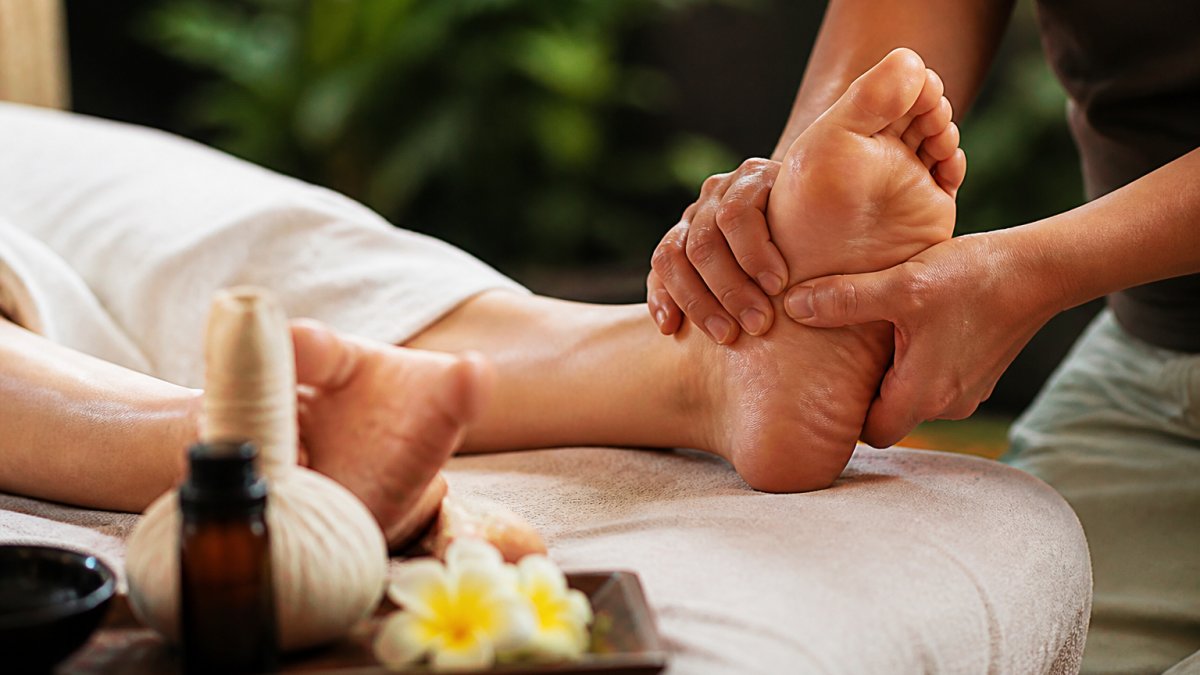
Self-massage is safe for most people when you use gentle pressure, think light stroking, not deep tissue work. Use your fingertips or palm to move in the direction of your lymph nodes (toward your neck, armpits, or groin). Avoid massage if you have active infection, fever, blood clots, or cancer without medical clearance. If you have lymphedema, swelling from surgery, or chronic health conditions, consult a trained lymphatic drainage therapist first to ensure the technique suits your situation.
How much water should you drink daily to support lymphatic health?
General guidance is to drink enough water so your urine stays pale yellow, typically 8 to 10 glasses (64 to 80 ounces) daily for most adults, though your needs vary by activity level, climate, and health status. Adequate hydration keeps lymphatic fluid flowing; dehydration thickens it and slows movement. Rather than a fixed number, focus on consistent hydration throughout the day and increase intake when you exercise or spend time in heat.