 blog
blog
Is Hyperbaric Chamber Therapy Worth the Cost?
Table of Contents
- What Hyperbaric Oxygen Therapy Is and How It Works
- FDA-Approved Conditions vs. Unproven Claims
- The Real Benefits of Hyperbaric Oxygen Therapy
- Hyperbaric Oxygen Therapy Risks and Side Effects
- How Many Hyperbaric Oxygen Therapy Sessions Are Needed
- Cost Considerations and Insurance Coverage
- Hyperbaric Chamber Alternatives and When to Consider Them
- Is Hyperbaric Chamber Therapy Worth It for You?
- Frequently Asked Questions
Last Updated: October 11, 2026
What Hyperbaric Oxygen Therapy Is and How It Works
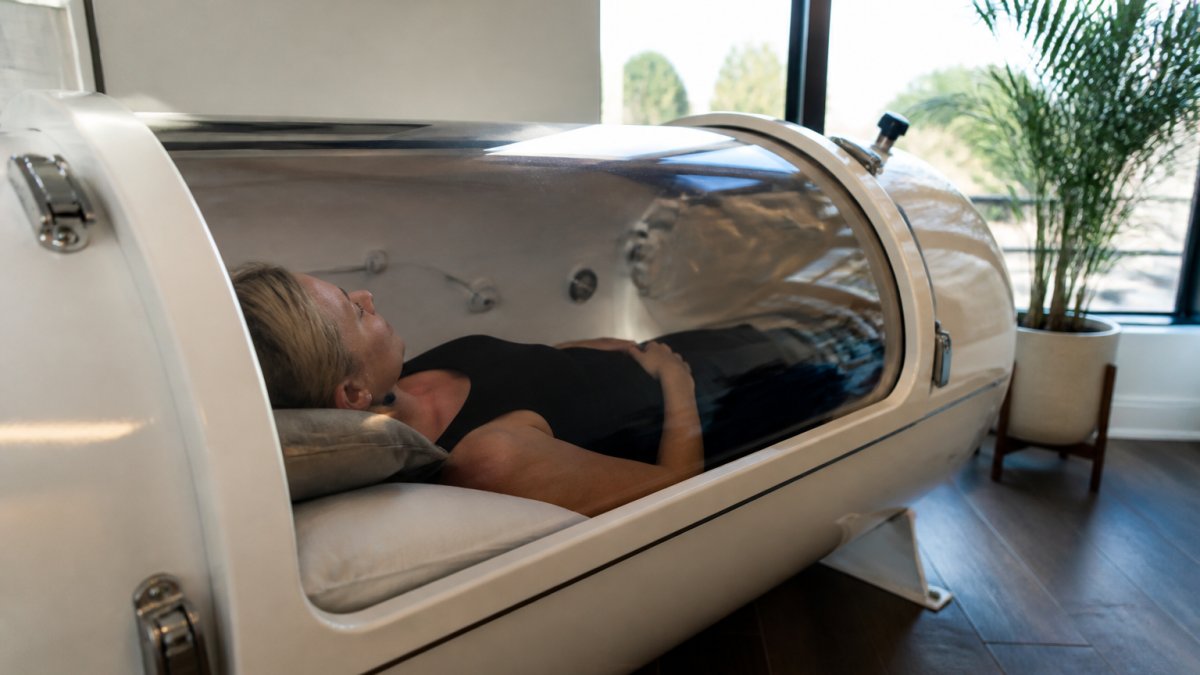
Hyperbaric oxygen therapy is a medical treatment where you breathe pure oxygen inside a pressurized chamber. The pressure is higher than normal air pressure at sea level. This increased pressure allows your lungs to absorb more oxygen than they normally would. Your blood then carries this extra oxygen throughout your body to help tissues heal.
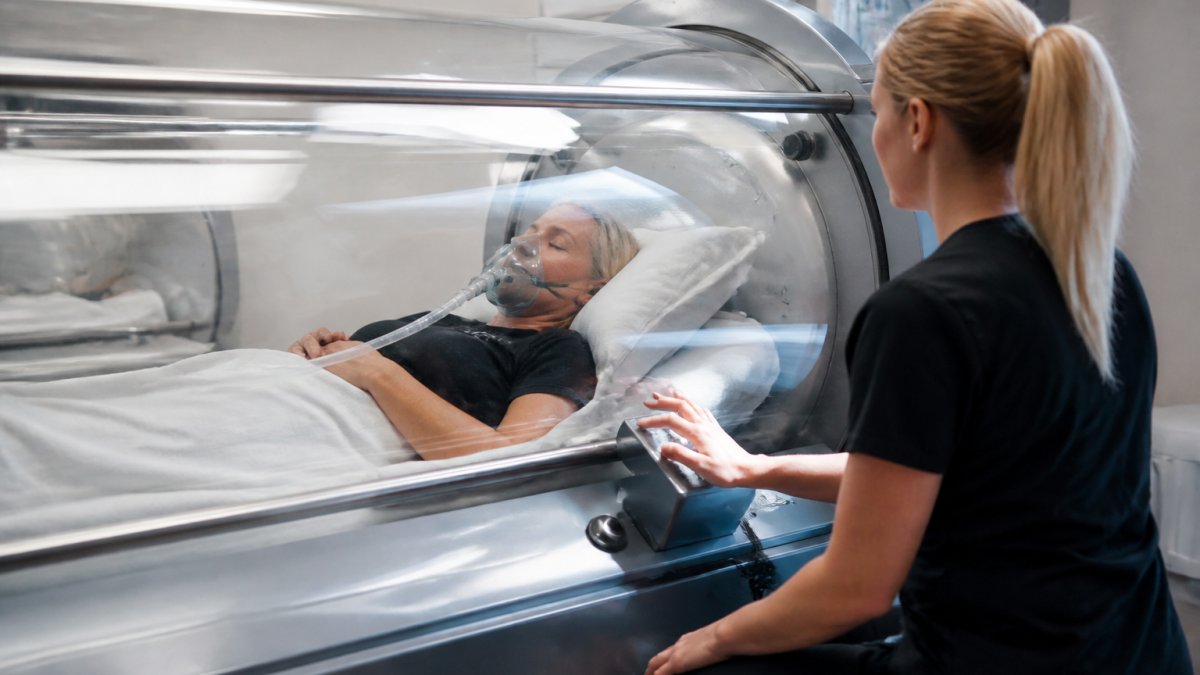
During a typical session, you enter a pressurized chamber and breathe 100% oxygen for a set period. The pressure inside the chamber is 2-3 times higher than normal atmospheric pressure, forcing oxygen into your bloodstream at levels that wouldn't be possible through regular breathing.
Damaged tissues need oxygen to repair themselves. When your body can't deliver enough oxygen naturally, hyperbaric oxygen therapy pushes oxygen into areas where circulation is poor or compromised, which is why doctors have used it for decades to treat specific medical conditions.
FDA-Approved Conditions vs. Unproven Claims
Not every condition responds to hyperbaric oxygen therapy. The FDA has approved this treatment for a specific list of medical problems. These are conditions where clinical evidence shows that extra oxygen actually helps healing happen faster or better.
FDA-approved uses include:
- Chronic wounds that won't heal (like diabetic foot ulcers)
- Radiation injury to bone or soft tissue
- Carbon monoxide poisoning
- Decompression sickness (the bends)
- Severe anemia
- Gangrene
- Osteomyelitis (bone infection)
- Thermal burns
These conditions have solid research backing them. Doctors know that hyperbaric oxygen therapy helps because studies have measured the results. Patients with these problems see better healing outcomes when they receive the treatment.
Beyond the FDA-approved list, people claim hyperbaric chamber therapy helps with athletic recovery, chronic fatigue, or autoimmune conditions. However, clinical evidence for these uses is weak or missing entirely.
The Real Benefits of Hyperbaric Oxygen Therapy
For FDA-approved conditions, hyperbaric oxygen therapy delivers measurable healing outcomes that vary significantly by diagnosis.
Chronic Wounds and Diabetic Foot Ulcers
Radiation Injury to Bone and Soft Tissue
Typical outcomes: Patients often see pain reduction and tissue healing after 30-40 sessions, with better results when treatment starts sooner after radiation exposure.
Osteomyelitis (Bone Infection)
For chronic bone infections, hyperbaric oxygen therapy enhances immune function and promotes bone healing when combined with antibiotics and surgical debridement.
Typical outcomes: Treatment courses typically involve 20-40 sessions, with success depending on surgical removal of the infection source and antibiotic compliance.
Decompression Sickness (The Bends)
For divers with decompression sickness, hyperbaric oxygen therapy is the gold standard, reducing bubble size and accelerating nitrogen elimination (pubmed.ncbi.nlm.nih.gov).
Typical outcomes: Acute cases often respond dramatically to immediate treatment with 2-5 sessions, with early treatment (within hours) producing the best outcomes.
Severe Anemia and Carbon Monoxide Poisoning
For severe anemia and carbon monoxide poisoning, hyperbaric oxygen therapy provides rapid benefit by increasing oxygen dissolved directly in the blood plasma.
Typical outcomes: Carbon monoxide poisoning often improves within 3-5 sessions, with improvement noticeable within days.
Athletic Recovery and Off-Label Uses
Athletes often claim hyperbaric oxygen therapy speeds muscle recovery, but research does not consistently show it outperforms rest, proper nutrition, and sleep.
Hyperbaric Oxygen Therapy Risks and Side Effects
Hyperbaric oxygen therapy is generally safe when administered properly, with most side effects mild and quick to resolve. The most common issue is ear pressure during pressure changes.
Common mild side effects:
- Ear discomfort or barotrauma
- Sinus pressure
- Temporary vision changes
- Fatigue after sessions
- Mild headache
Serious complications are rare but possible. Oxygen toxicity can cause seizures or lung damage, but medical facilities follow strict protocols and trained technicians monitor pressure levels carefully.
Fire is a real concern in a pressurized oxygen-rich environment, so chambers prohibit metal objects, electronics, and flammable materials.
People with untreated fever, certain medications, or a history of lung collapse should not use hyperbaric oxygen therapy. Your doctor must screen you before starting.
How Many Hyperbaric Oxygen Therapy Sessions Are Needed
The number of sessions varies dramatically by condition. Acute conditions like carbon monoxide poisoning may need only 2-5 sessions.
Chronic wounds often require 20-40 sessions or more, with each session lasting 90-120 minutes, typically 5 days per week.
Radiation injury usually requires the longest treatment courses, with patients needing 30-40 sessions spread over weeks or months.
Your doctor will adjust your treatment plan based on condition severity, duration, and response to treatment.
Most facilities reassess after 10-15 sessions to determine if continuing treatment will help.
Cost Considerations and Insurance Coverage
Hyperbaric oxygen therapy costs vary significantly by facility type, location, and treatment protocol.
Per-Session Costs
Individual session costs depend on facility type and location, with additional facility, consultation, or assessment fees possible.
Total Treatment Cost Scenarios
Total out-of-pocket expense depends heavily on your diagnosis and session count. Request an itemized estimate including consultation, assessments, travel, and ancillary services.
Insurance Coverage for FDA-Approved Indications
Medicare covers hyperbaric oxygen therapy for 14 FDA-approved conditions when prior authorization is obtained, medical necessity is documented, and treatment occurs at a Medicare-certified facility. Medicare covers a portion of approved charges after your Part B deductible.
Private insurance plans vary in coverage. Contact your insurer before scheduling to confirm whether your diagnosis qualifies and what your cost-sharing will be.
Insurance Denial and Off-Label Use
If your condition is not on the FDA-approved list, such as athletic recovery, chronic fatigue, or autoimmune conditions, insurance will almost certainly deny the claim. You will receive a bill for the full cost.
Appealing a denial is possible if you have peer-reviewed research supporting the use for your condition, but success rates are low for off-label indications.
Questions to Ask About Pricing
Before committing to treatment, request an itemized cost estimate that includes:
- Per-session cost
- Total number of recommended sessions
- Any facility, consultation, or assessment fees
- Whether the facility is in-network for your insurance
- What happens if you need additional sessions beyond the initial protocol
- Refund or cancellation policy if you stop treatment early
- Whether the facility offers payment plans or financing options
Getting this in writing protects you from surprise bills and helps you make a fully informed financial decision.
Hyperbaric Chamber Alternatives and When to Consider Them
For FDA-approved conditions, hyperbaric oxygen therapy is often the best option. There's no substitute that works as well for diabetic foot ulcers or radiation injury. If your condition qualifies, this treatment deserves serious consideration.
For other uses, alternatives exist. Physical therapy helps muscle recovery without the cost of hyperbaric sessions. Proper nutrition and sleep support healing just as effectively as oxygen therapy for many conditions. These approaches have solid research backing them.
Infrared saunas improve circulation and may support recovery. Massage therapy reduces muscle tension and promotes healing. Lymphatic drainage systems, like the BallancerPro system available at Wellness Oasis, help your body move fluid and support detoxification.
For athletic recovery, rest and proper training protocols matter more than any single treatment. Sleep, hydration, nutrition, and smart training design drive results.
The decision should be based on evidence. If research supports hyperbaric oxygen therapy for your specific situation, pursue it. If the evidence is weak, explore alternatives that have clearer research support. Your recovery depends on choosing treatments that actually address your problem.
Is Hyperbaric Chamber Therapy Worth It for You?
Whether is hyperbaric chamber therapy worth the cost depends entirely on your situation. For FDA-approved conditions, hyperbaric oxygen therapy is worth serious consideration. The evidence is clear. The benefits are measurable. If your insurance covers it, the financial decision is easier.
For conditions not on the approved list, the answer is less obvious. You're weighing uncertain benefits against certain costs. Before deciding, ask yourself these questions:
Does strong clinical evidence support this treatment for my condition? If not, you're gambling. Search for peer-reviewed research. Talk to your doctor about what the evidence actually shows. Don't rely on testimonials or marketing claims.
Will my insurance cover this? If yes, the financial barrier drops significantly. If no, calculate the total cost. Is it a reasonable investment given the evidence?
Have I tried other approaches first? For many conditions, simpler, cheaper interventions work well. Exhausting those options first makes sense before moving to expensive specialized treatment.
Am I being treated at a reputable facility? Medical oversight matters. Trained technicians, proper equipment maintenance, and safety protocols reduce risk. Wellness Oasis offers hyperbaric chambers as part of a comprehensive wellness approach, combining this treatment with other modalities like therapeutic massage and specialized lymphatic detox treatments for a more complete healing strategy.
The honest answer is that hyperbaric oxygen therapy is worth the cost for specific, approved medical conditions. For everything else, the value proposition is much weaker. Make your decision based on evidence, not hope.
Hyperbaric chamber therapy works best when you have a condition with proven research support. Wellness Oasis can help you explore whether hyperbaric oxygen therapy is the right choice for your healing goals. Contact us to discuss your specific situation and learn how our comprehensive wellness approach, including hyperbaric chambers combined with therapeutic massage and specialized lymphatic detox treatments, can support your recovery and health optimization.
Frequently Asked Questions
What are the main risks of hyperbaric chamber therapy?
Hyperbaric oxygen therapy carries several potential side effects. Ear pressure and barotrauma are common, especially during descent and ascent in the pressurized chamber. Oxygen toxicity can occur with prolonged exposure to 100% oxygen at high pressure, causing symptoms like vision changes, nausea, or in severe cases, seizures. Mild complications include sinus discomfort and temporary myopia. Fire risk exists because oxygen is highly flammable, so strict safety precautions are enforced. Most side effects are manageable with proper physician supervision and adherence to treatment protocols.
How many sessions of hyperbaric oxygen therapy are typically needed?
The number of hyperbaric oxygen therapy sessions varies significantly based on the condition being treated and individual response. FDA-approved indications typically require 20 to 40 sessions, though some conditions may need fewer or more treatments. Sessions are usually scheduled five days per week, lasting 90 to 120 minutes each. Your physician will establish a treatment protocol tailored to your specific condition and monitor your healing outcomes to determine when treatment goals are met or if additional sessions are necessary.
Is hyperbaric chamber therapy covered by insurance?
Insurance coverage for hyperbaric chamber therapy depends on whether your condition is FDA-approved and whether your specific insurance plan recognizes it as medically necessary. Medicare covers hyperbaric oxygen therapy for approved indications when ordered by a physician. Private insurers vary in their coverage policies, and some may deny claims for off-label or unproven uses. Out-of-pocket costs can be substantial for uncovered treatments. Contact your insurance provider directly to confirm eligibility and understand what portion of treatment costs you would be responsible for.
What are realistic alternatives to hyperbaric chamber therapy?
Several alternatives exist depending on your condition and treatment goals. Traditional wound care, topical medications, and surgical interventions address chronic wounds without pressurized oxygen. Physical therapy and massage support recovery from muscle injuries and post-surgical healing. Infrared therapy and other modalities can improve circulation and tissue healing. For conditions like carbon monoxide poisoning or decompression sickness, emergency medical care and supportive treatment are primary approaches. Consulting with a physician helps determine which alternative or combination of treatments is most appropriate for your specific situation.