 how-to
How to Boost Immune System Naturally: 7 Evidence-Based Habits
Table of Contents
- What Actually Boosts Your Immune System (And What Doesn't)
- Foods That Support Immune Health
- Sleep and Immune System Recovery
- Exercise and Immune Health Benefits
- Vitamins for Immune Support: What Works
- Hydration, Stress, and Immune Function
- Proven Infection Prevention Beyond Natural Habits
- Personalized Immune Support for Your Situation
- Frequently Asked Questions
Last Updated: October 8, 2026
What Actually Boosts Your Immune System (And What Doesn't)
Your immune system defends your body against infection and illness around the clock. To boost immune system naturally, you can't add extra power like a phone signal, what you can do is support immune function through habits that help your body work as intended.
The difference matters. Boosting sounds like adding extra power. Supporting means giving your system what it needs to function normally. According to the National Institutes of Health, a healthy immune response depends on consistent nutrition, sleep, movement, and stress management, not shortcuts or supplements that claim miracle results.
Many people chase immune-boosting supplements or exotic remedies, but the evidence doesn't support most of them. What works is simpler: everyday habits.
The habits below have real research behind them and work together, not in isolation. Start with one or two and build from there.
Foods That Support Immune Health
Food is your first line of defense. Your gut contains roughly 70% of your immune cells, so nutrition is foundational to how well your immune system functions (The Interplay between the Gut Microbiome and the Immune System in the Context of...).
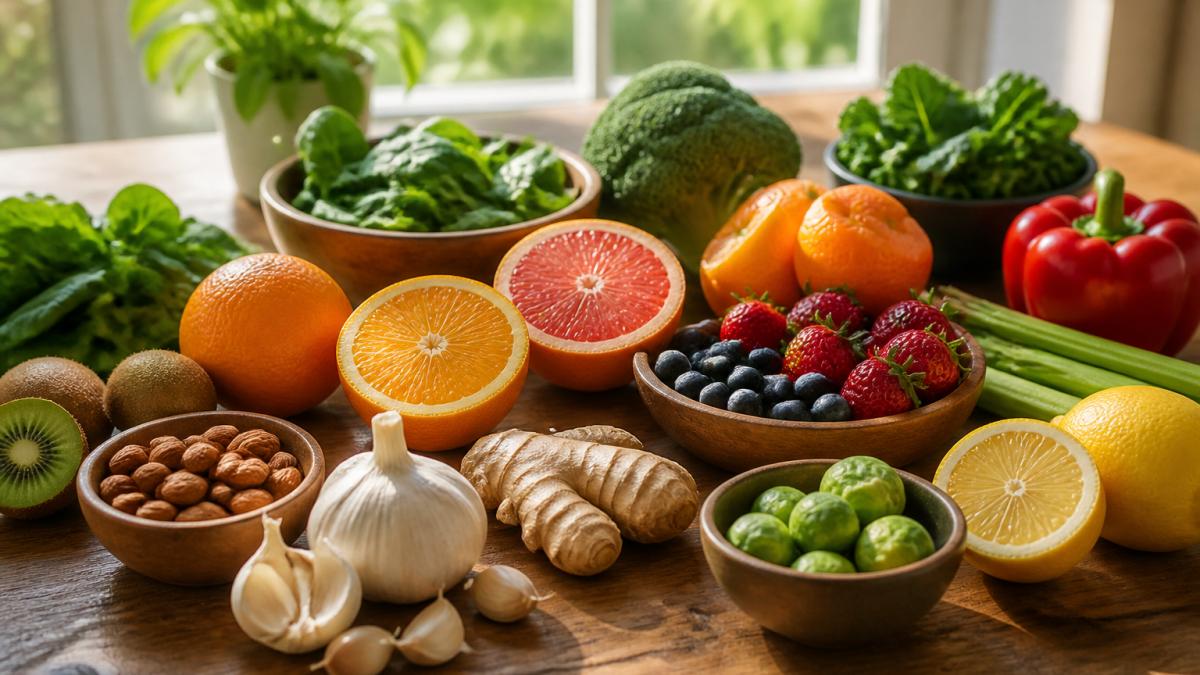
Vitamin C-rich foods and citrus
Vitamin C supports white blood cells, which fight infection, and your body doesn't store it, so daily intake matters. Citrus is famous for it, but not the only source.
Best sources include:
- Oranges, lemons, and grapefruit
- Bell peppers (actually higher in vitamin C than citrus)
- Strawberries and kiwi
- Broccoli and Brussels sprouts
- Tomatoes
Aim for one or two servings daily, a single orange or a handful of berries counts. Consistency matters more than massive doses.
Leafy greens, garlic, and herbs
Leafy greens contain vitamin A, folate, and antioxidants that support protective antibodies and white blood cell function. Garlic and herbs like thyme and oregano have antibacterial and antiviral properties.
Include regularly:
- Spinach, kale, and arugula
- Fresh garlic (raw or cooked)
- Thyme, oregano, and rosemary
- Onions (contain similar compounds to garlic)
Add garlic to meals several times per week. Use fresh herbs in cooking. These aren't supplements, they're food. Your body absorbs nutrients from whole foods better than from pills.
Protein, whole grains, and antioxidants
Protein builds immune cells. Whole grains provide fiber, which feeds beneficial gut bacteria. Antioxidants reduce inflammation, giving your immune system less work to do.
Sources to rotate:
- Lean proteins: chicken, fish, eggs, legumes
- Whole grains: oats, brown rice, quinoa
- Antioxidant-rich foods: berries, dark chocolate, nuts, seeds
- Olive oil (contains antioxidants and supports heart health)
Aim for protein at each meal. Include whole grains instead of refined carbs. Eat a variety of colors, different colors signal different antioxidants.
Sleep and Immune System Recovery
Sleep is where your immune system does repair work. During deep sleep, your body produces cytokines, proteins that fight infection, without enough sleep, you lose this protection (Sleep and immune function).
Most adults need 7-9 hours nightly. Poor sleep increases inflammation and weakens your protective antibodies.
Build a sleep routine:
- Same bedtime and wake time daily (even weekends)
- Dark, cool room (around 65-68°F is ideal)
- No screens 30-60 minutes before bed
- Limit caffeine after 2 p.m.
Quality matters as much as quantity, interrupted sleep doesn't allow deep recovery. If you struggle with sleep, addressing it is one of the highest-impact changes you can make for immune health.
Exercise and Immune Health Benefits
Regular physical activity strengthens immune response. Exercise increases circulation, which helps immune cells move through your body more efficiently. It also reduces inflammation.
You don't need intense workouts, moderate movement supports immunity better than extreme exercise, which can temporarily suppress it. Daily walking, swimming, or cycling for 30 minutes is ideal.
Frequency matters more than intensity:
- Aim for at least 150 minutes per week of moderate activity
- Or 75 minutes per week of vigorous activity
- Include strength training 2+ days per week
- Even 10-minute walks count, consistency beats perfection
The key is regularity: three 10-minute walks beat one 30-minute session, and movement on most days supports immune function better than sporadic intense workouts.
Vitamins for Immune Support: What Works
Some vitamins genuinely support immune function, others don't, and even the ones that do rarely work the way supplement marketing implies.
Here's the honest framing: no vitamin or mineral has been shown to reliably prevent colds, flu, or other infections in well-nourished adults.
Vitamin D is the strongest candidate for a real gap. Your immune cells carry vitamin D receptors, meaning they need it to function properly.
Vitamin C supports white blood cells and isn't stored, so daily intake matters, but food is enough for most adults.
Vitamin A supports your skin and mucous membranes, which act as physical barriers.
Vitamin B6 supports immune cell creation. Chicken, chickpeas, and bananas provide it. Supplementing isn't necessary if you eat varied food.
Vitamin E and selenium appear in many immune supplements. Both are essential in small amounts, but high-dose supplementation hasn't shown benefit and may cause harm.
A few practical rules:
- Food first. Whole foods deliver nutrients alongside fiber, phytonutrients, and compounds that pills don't replicate.
- Test before you supplement when possible, especially for vitamin D.
- Watch for interactions. Vitamin K interacts with blood thinners. High-dose vitamin E can increase bleeding risk. Calcium and iron compete for absorption. Some supplements reduce the effectiveness of prescription medications.
- More is not better. Several vitamins and minerals become harmful at high doses, and the upper limits are closer than most people assume.
- Talk to your clinician before starting anything, especially if you're pregnant, breastfeeding, taking prescription medication, or managing a chronic condition.
If you're eating a varied diet, sleeping enough, and moving regularly, additional supplements likely won't help, and could add cost and risk without benefit. A blood test can show what you actually need, rather than guessing.
Hydration, Stress, and Immune Function
Two of the most overlooked immune supports aren't foods or pills, they're water and stress management, both with measurable targets and specific mechanisms rather than vague "wellness" effects.
Hydration: what the evidence supports
Your lymphatic system, which carries immune cells throughout your body, depends on fluid to move. Blood plasma is roughly 90% water, and dehydration reduces blood volume, slowing delivery of immune cells to tissues that need them. It also thickens airway mucus, making it harder to trap and clear pathogens.
Practical targets:
- General guideline: roughly 9 cups of fluid daily for women and 13 cups for men, from all beverages and water-rich foods. This is a population-level reference, not a personal prescription.
- Add more if you exercise, spend time in heat, are pregnant or breastfeeding, or are recovering from illness.
- Check your urine color. Pale straw-yellow suggests adequate hydration. Dark amber suggests you need more.
- Water-rich foods count. Cucumbers, watermelon, oranges, soups, and broths all contribute.
What hydration does not do: it won't stop you from catching a virus. It supports the systems that help you respond normally.
Stress: the cortisol connection
Chronic stress elevates cortisol, and sustained high cortisol suppresses protective white blood cells, including natural killer cells and T-cells. It also disrupts sleep, compounding the effect, which is why people often get sick during or right after a stressful period.
Measurable stress-management targets:
- Movement: 150 minutes of moderate activity per week (the same target that supports immune function) also reduces stress hormones.
- Sleep: 7-9 hours nightly for most adults. Sleep is the single highest-leverage stress-recovery tool.
- Daylight: 10-30 minutes of outdoor light in the morning helps regulate cortisol rhythm.
- Breathing: 5 minutes of slow, diaphragmatic breathing daily, roughly 6 breaths per minute, can lower acute stress response.
- Social connection: regular contact with people you trust buffers stress physiology. Isolation amplifies it.
Pick one practice and do it consistently, stacking two or three small habits beats one ambitious routine you abandon in a week.
If you're fighting constant colds or infections, check sleep and stress before adding supplements or overhauling your diet. These two levers often move the needle more than anything you can buy.
Hydration and stress management aren't glamorous, and they won't "boost" immunity in the marketing sense. But they support the systems your body already uses to defend itself, and unlike most supplements, they carry no risk and no cost.
Proven Infection Prevention Beyond Natural Habits
Natural habits support your immune system but aren't enough alone. Some proven infection-prevention measures work outside that framework.
Vaccination is the most effective tool we have. Vaccines teach your immune system to recognize specific threats before natural exposure and prevent serious illness far more reliably than any food or supplement.
Hand hygiene stops transmission, washing with soap and water removes viruses and bacteria before they enter your body, dramatically reducing infection risk.
Sinus irrigation (saline rinses) can help if you're prone to sinus infections or respiratory issues. It clears irritants and reduces inflammation in nasal passages.
Staying home when sick protects others and lets your body recover instead of spreading infection, one of the highest-impact choices during illness season.
These aren't "natural" in the food-or-supplement sense, but they're evidence-based and essential. Combined with the habits above, they give you the strongest protection.
Personalized Immune Support for Your Situation
Your immune needs vary by age, pregnancy, chronic conditions, and current health status.
If you're pregnant, immune support looks different. Pregnancy changes how your immune system works. Focus on food-based nutrition, adequate sleep, and stress management.
If you have a chronic condition (diabetes, heart disease, autoimmune disorder), your immune support may need adjustment. Work with your healthcare provider.
If you're recovering from illness or injury, your immune needs are higher. Prioritize protein, calories, sleep, and hydration.
If you're an athlete or very active, moderate exercise helps immunity, but excessive training can suppress it. Balance intense workouts with adequate recovery, sleep, and nutrition.
At Wellness Oasis, we create personalized wellness plans using the Oberon Biofeedback frequency system to understand your unique needs.
The core habits work for everyone: eat well, sleep enough, move regularly, manage stress, stay hydrated, and get vaccinated.
You can't hack your immune system with one supplement or food. What works is consistent, everyday habits combined with proven prevention measures like vaccination. Start with sleep and movement. Add nutrition next. Build from there.
Supporting your immune system naturally takes time and consistency.
Frequently Asked Questions
Can you actually boost your immune system naturally, or is that marketing hype?
Your immune system responds to real lifestyle changes. Consistent sleep, regular exercise, hydration, and a diet rich in fruits, vegetables, and lean protein all strengthen immune function. However, 'boosting' has limits, you can't supercharge immunity beyond its normal capacity. The goal is to keep your immune system functioning optimally by removing obstacles like poor sleep, stress, and nutrient gaps. Think of it as maintaining your immune health rather than creating superhuman protection.
How much sleep do I actually need to support immune health?
Most adults need 7-9 hours of quality sleep per night to maintain strong immune function. During sleep, your body produces white blood cells and protective antibodies that fight infection. Chronic sleep deprivation weakens immune response and increases susceptibility to illness. If you're getting less than 6 hours regularly, prioritize adding 30-60 minutes to your sleep schedule. Consistent bedtimes help more than occasional long sleep.
What vitamins for immune support actually have evidence behind them?
Vitamin C, vitamin D, vitamin A, vitamin B6, zinc, and selenium all play documented roles in immune function. Vitamin C supports white blood cell production, while vitamin D regulates immune response. However, supplements work best when filling actual deficiencies, they won't create extra immunity if you're already getting enough from food. Focus first on a balanced diet with citrus, leafy greens, eggs, and lean protein. If you suspect a deficiency, ask your healthcare provider about testing before adding supplements.
How quickly will I see results from these natural immune-boosting habits?
Some changes show immediate effects: better hydration improves energy within days, and a single night of quality sleep strengthens immune markers. Other changes take weeks, consistent exercise typically shows immune benefits after 3-4 weeks of regular activity. Dietary improvements and sleep consistency take 4-8 weeks to create measurable shifts in how often you get sick. The key is consistency; sporadic efforts won't build lasting immune resilience.