 blog
blog
Alternatives to Surgery for Chronic Back Pain
Table of Contents
- Why Conservative Care Works for Chronic Back Pain
- Physical Therapy for Chronic Back Pain
- Therapeutic Exercises for Chronic Back Pain
- Medication and Pain Management for Chronic Back Pain
- Spinal Injections and Targeted Interventions for Back Pain
- Advanced Wellness Therapies and Recovery Modalities
- Creating Your Staged Care Plan and Knowing When Surgery Matters
- Comparison Table: Common Alternatives to Surgery for Chronic Back Pain
- Taking the First Step
- Frequently Asked Questions
Last Updated: October 12, 2026
Why Conservative Care Works for Chronic Back Pain
When chronic back pain takes hold, surgery feels inevitable. But most people with persistent spine pain find relief through non-surgical approaches, and research shows conservative care should be the first step, not the last resort.
At Wellness Oasis, we offer a customized, holistic approach to healing and recovery, featuring advanced modalities that can help reduce pain and restore function. The key is knowing which approaches fit your situation and committing to a plan.
Alternatives to surgery for chronic back pain include physical therapy, targeted exercises, medication, spinal injections, advanced wellness modalities, and mind-body techniques. The challenge isn't finding options, it's knowing which to prioritize and how to sequence them.
Physical Therapy for Chronic Back Pain
Physical therapy is one of the most effective non-surgical treatments for chronic low back pain (pubmed.ncbi.nlm.nih.gov). A skilled therapist teaches correct movement, strengthens supporting muscles, and addresses patterns that aggravate your spine.

The goal isn't just pain relief but restoring function. Your therapist assesses posture, flexibility, strength, and movement mechanics, then designs a program for your specific deficits.
Sessions involve hands-on techniques, guided exercises, and body mechanics education. Most people start with 2-3 visits weekly, tapering as they progress, but the real work happens between appointments, doing prescribed exercises at home.
Physical therapy also teaches flare-up prevention: safe lifting, proper posture, and recognizing warning signs that pain is building, your long-term defense against recurrence.
Therapeutic Exercises for Chronic Back Pain
Therapeutic exercises form the backbone of recovery, targeting the muscles and movement patterns contributing to your pain rather than offering generic workouts.
Common therapeutic exercises for chronic low back pain include:
- Core stabilization work that protects your spine during daily activities
- Flexibility routines that reduce tension in tight muscles
- Strengthening progressions that build endurance in supporting muscles
- Movement retraining that corrects harmful patterns
The principle is simple: weak or unbalanced muscles force your spine to work harder. Correcting these imbalances reduces strain on discs and joints, which means less pain.
Most people begin with gentle, controlled movements. As your body adapts, intensity and complexity increase. A typical program is 4-6 exercises, 5-6 days per week, 15-20 minutes total.
The best exercises are ones you'll actually do. Your therapist should teach manageable movements that fit your schedule, consistent moderate-intensity work beats sporadic intense sessions.
Medication and Pain Management for Chronic Back Pain
Medications play a supporting role in chronic back pain, especially early when pain is severe. The goal is reducing pain enough to participate in physical therapy and exercise, not eliminating it through medication alone.
Common options include over-the-counter ibuprofen or naproxen for inflammation, prescription muscle relaxants when tension is significant, and topical creams applied to the painful area.
Opioids are generally not recommended for chronic back pain (the CDC). They offer temporary relief, but long-term use carries dependence, tolerance, and side-effect risks that often outweigh benefits; most guidelines suggest other options first.
Medication works best combined with physical therapy and exercise. Pills alone rarely produce lasting improvement; reduced pain plus active rehabilitation creates the conditions for real recovery.
Spinal Injections and Targeted Interventions for Back Pain
When conservative care alone isn't providing adequate relief, targeted injections can help, but they are not interchangeable, and matching the right injection to the right pain generator matters more than the injection itself.
Epidural steroid injections deliver corticosteroid and often a local anesthetic into the epidural space around spinal nerves, most commonly for radicular pain, pain traveling down a leg from nerve root compression, often a herniated disc or spinal stenosis. Evidence is moderate: short-term relief (weeks to a few months) is well supported, but long-term benefit or surgery avoidance is weaker and inconsistent (pubmed.ncbi.nlm.nih.gov).
Facet joint injections and medial branch blocks target the small joints at the back of the spine, which can become painful from arthritis or degeneration.
Trigger point injections target painful muscle knots (myofascial trigger points) rather than spinal structures, using a local anesthetic, sometimes with steroid. Evidence is limited, but they can provide short-term relief that enables physical therapy participation.
Risks and contraindications apply across injection types. Common side effects: temporary soreness, brief pain increase before relief, flushing, and, with steroids, temporary blood sugar and blood pressure elevation. Rare but serious risks include infection, bleeding, nerve injury, and dural puncture (a hole in the sac around the spinal cord, causing severe headache).
What injections are not: They don't cure structural problems or strengthen the spine. Their role is reducing pain enough to engage in physical therapy and exercise more effectively. When pain blocks rehabilitation, injections create a window of opportunity, but it closes if you don't use it. The most durable benefit goes to those who pair injections with structured active rehabilitation.
In a staged plan, injections belong after a genuine trial of physical therapy and exercise fails to provide adequate relief, or when pain is so severe it blocks those therapies. They are a bridge, not a destination.
Advanced Wellness Therapies and Recovery Modalities
Beyond physical therapy and exercise, several adjunctive therapies can support chronic back pain management. What separates a useful adjunct from a waste of time is understanding the evidence behind each and where it fits in a staged plan.
Acupuncture inserts thin needles at specific anatomical points, possibly triggering endogenous opioid release and modulating central pain signaling. Evidence is moderate: systematic reviews find small-to-moderate short-term pain reductions versus no treatment, but results versus sham acupuncture are mixed, suggesting some benefit comes from expectation and the therapeutic encounter.
Massage therapy manipulates soft tissue to reduce muscle guarding, improve circulation, and interrupt pain-spasm cycles. Evidence is strongest for short-term relief (hours to a few days) and weaker for durable change.
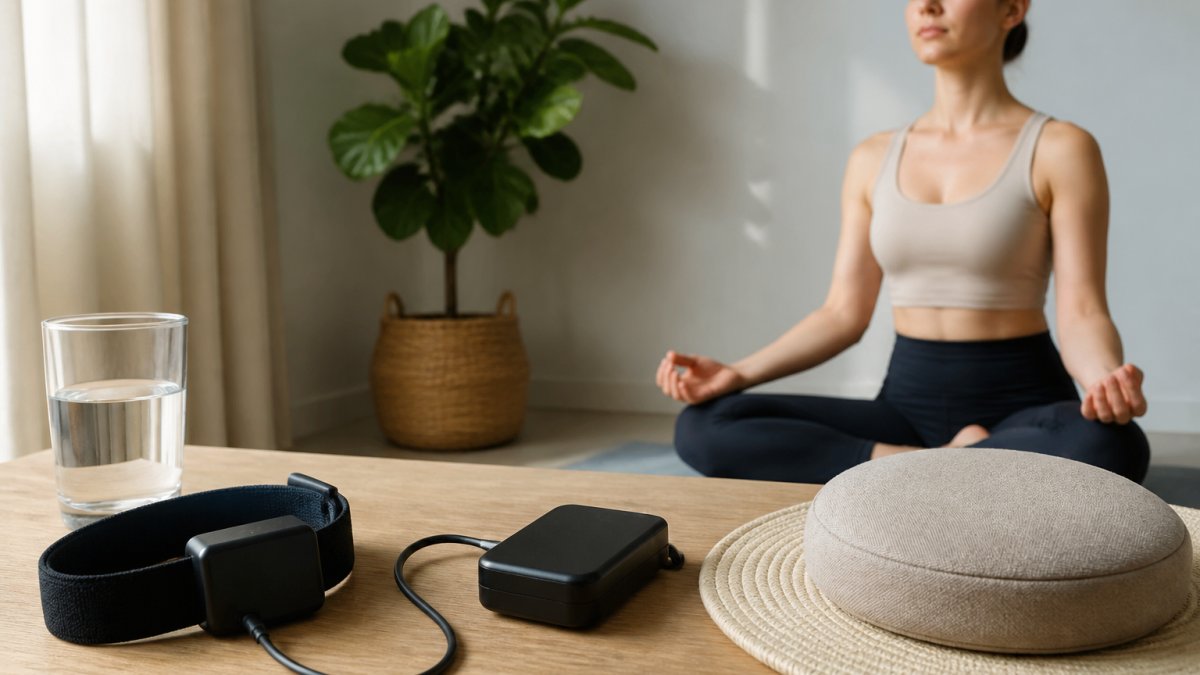
Biofeedback and mind-body approaches use sensors to make involuntary processes, muscle tension, heart rate, breathing, visible so you can influence them.
Heat and cold therapy are the most accessible self-care tools. Heat relaxes muscle spasm and increases blood flow; cold reduces acute inflammation and numbs sore areas. A common pattern is heat before activity and cold after or during flares. Evidence supports short-term symptomatic relief, not structural change.
To evaluate any adjunct, ask three questions: Does the evidence show benefit beyond placebo? Does it help you do more of the active work that drives long-term change? Can you continue it long enough to know whether it works? If any answer is no, redirect that time toward physical therapy and exercise, where the evidence is strongest.
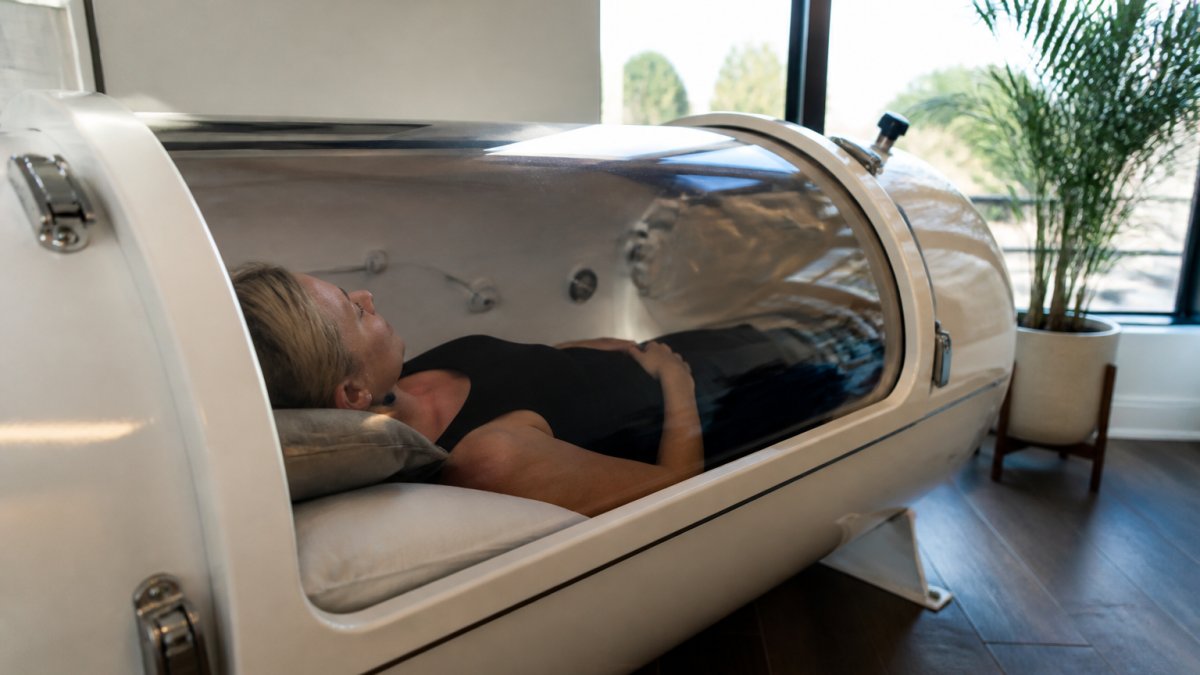
At Wellness Oasis, we offer several modalities supporting chronic pain recovery: therapeutic massage for muscle tension, biofeedback to identify patterns contributing to your pain and shape personalized recovery plans, and infrared heat and Infrared light saunas and hyperbaric chambers for circulation and healing.
Creating Your Staged Care Plan and Knowing When Surgery Matters
The most effective approach to chronic back pain follows a staged progression. Early stages emphasize conservative care, with more advanced interventions introduced only if earlier steps don't produce adequate improvement.
Stage 1: Foundation (Weeks 1-4)
- Start physical therapy 2-3 times weekly
- Begin home exercise program
- Use over-the-counter pain medication as needed
- Apply heat or cold therapy
- Modify activities that aggravate pain
Stage 2: Progression (Weeks 4-12)
- Continue physical therapy, gradually reducing frequency
- Increase exercise intensity and complexity
- Consider advanced therapies like massage or acupuncture
- Assess progress and adjust medication if needed
Stage 3: Optimization (Weeks 12+)
- Transition to independent exercise maintenance
- Address remaining functional limitations
- Consider targeted injections if pain persists despite conservative care
- Establish long-term prevention strategies
Most people improve significantly within 12 weeks of consistent conservative care; if you're not progressing by then, more advanced interventions like injections become appropriate.
Surgery becomes relevant only when conservative care has been genuinely pursued for several months without adequate improvement AND imaging shows a specific structural problem surgery can address. Red flags for urgent evaluation include progressive neurological symptoms, loss of bowel or bladder control, or severe unrelenting pain despite treatment.
The decision to pursue surgery should be made collaboratively with your healthcare team after conservative approaches have been thoroughly explored. Most people with chronic back pain find adequate relief without surgery when they commit to a structured, progressive plan.
Comparison Table: Common Alternatives to Surgery for Chronic Back Pain
| Approach | Time to Relief | Duration of Benefit | Best For | Requires Professional? |
|---|---|---|---|---|
| Physical Therapy | 2-4 weeks | Ongoing with maintenance | Most chronic back pain cases | Yes |
| Therapeutic Exercise | 4-8 weeks | Ongoing with consistency | Building strength and endurance | Initial guidance, then independent |
| Over-the-Counter Medication | Hours to days | Hours to days | Acute pain flares | No |
| Massage Therapy | Immediate to days | Days to weeks | Muscle tension and recovery | Yes |
| Acupuncture | Days to weeks | Weeks to months | Pain reduction and inflammation | Yes |
| Spinal Injections | Days to weeks | 3-6 months | Moderate to severe pain limiting activity | Yes |
| Advanced Wellness Modalities | Variable | Variable | Supporting overall recovery | Yes |
Taking the First Step
Chronic back pain doesn't require surgery to improve. Most people find meaningful relief through conservative care when they choose the right approach and stay committed.
Start with physical therapy and therapeutic exercises, add targeted interventions like injections or advanced therapies as needed, and adjust your plan based on honest progress monitoring.
At Wellness Oasis, we support your recovery through multiple modalities designed to accelerate healing and reduce pain. Our award-winning chiropractic team, therapeutic massage services, and advanced recovery technologies complement your physical therapy program, while personalized wellness plans built with the Oberon Biofeedback frequency system help you understand your unique pain patterns. Contact us to discuss your journey toward lasting relief without surgery.
Frequently Asked Questions
Can chronic back pain improve without surgery?
Yes. Most people with chronic back pain respond well to non-surgical alternatives to surgery for chronic back pain. Conservative care including physical therapy, targeted exercises, and pain management addresses the underlying inflammation and muscle weakness that drive many cases. Studies show that 80-90% of patients find relief through these methods within weeks to months, avoiding surgery entirely.
How long does it take to see results from physical therapy for chronic back pain?
Many patients notice improvement within 2-4 weeks of consistent physical therapy for chronic back pain. More significant gains typically appear after 6-8 weeks. Results depend on adherence, the severity of your condition, and whether you continue exercises at home. Your therapist will adjust your program based on your progress and pain levels.
What are spinal injections for back pain, and how effective are they?
Spinal injections for back pain deliver anti-inflammatory medication directly to the source of pain, typically the facet joints or around nerve roots. Epidural steroid injections provide relief for 3-6 months in many patients. They work best alongside physical therapy and exercises for chronic back pain rather than as a standalone treatment, and they carry minimal risk when performed by trained specialists.
When should I consider surgery instead of alternatives to surgery for chronic back pain?
Surgery becomes relevant when conservative care fails after 6-12 months, or when you have severe neurological symptoms like progressive weakness or loss of bowel/bladder control. Red flags requiring urgent evaluation include sudden severe pain, numbness in the groin or saddle area, or signs of nerve compression. Discuss these warning signs with your doctor to determine whether surgery is necessary or whether additional non-surgical options remain viable.