 ultimate-guide
Lymphatic Drainage for Athletes: Recovery Benefits
Table of Contents
- How Lymphatic Drainage Works for Athletic Recovery
- Key Benefits of Lymphatic Drainage for Athletes
- Lymphatic Drainage Recovery Time: What to Expect
- Post-Workout Lymphatic Detox: Timing and Protocols
- Manual Lymphatic Drainage vs Compression Therapy
- DIY Self-Massage Techniques for Athletes
- Integrating Lymphatic Drainage Into Your Training Plan
- Frequently Asked Questions
Last Updated: October 1, 2026
How Lymphatic Drainage Works for Athletic Recovery
Lymphatic drainage is the process of stimulating the body's lymphatic system to move fluid through vessels and nodes, clearing metabolic waste and supporting tissue repair. For athletes, lymphatic drainage athletes benefit from isn't just recovery theory, it's a practical tool that accelerates how quickly your body bounces back from intense training.
The lymphatic system relies on muscle contractions, breathing, and manual stimulation to move fluid, unlike your heart-pumped circulatory system. When you train hard, metabolic byproducts accumulate in tissues. Without active lymphatic drainage, this fluid prolongs soreness and stiffness. At Wellness Oasis, we understand that athletes need recovery methods that actually work.
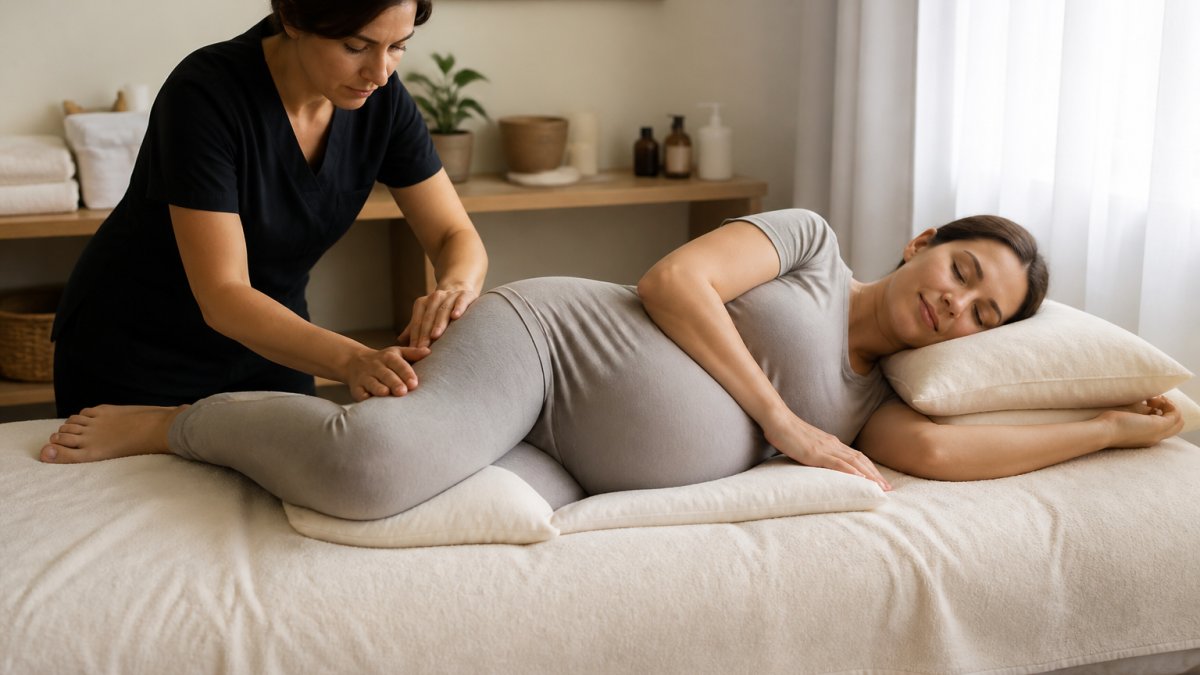
Manual lymphatic drainage uses gentle, rhythmic pressure applied in specific directions to move fluid toward lymph nodes, following the body's natural drainage pathways. This precise, light-touch work activates the parasympathetic nervous system while physically moving stagnant fluid. Compression therapy uses external pressure applied uniformly to limbs, forcing fluid movement mechanically. Both achieve similar outcomes for post-exercise recovery, though the experience and application differ.
Key Benefits of Lymphatic Drainage for Athletes
Accelerating Muscle Recovery and Reducing Soreness
Delayed onset muscle soreness (DOMS) peaks 24-72 hours after intense training, stemming from microscopic muscle fiber damage, inflammation, and accumulated metabolic waste. Lymphatic drainage addresses the waste component directly. When metabolic byproducts clear faster, inflammation resolves more efficiently and athletes report reduced stiffness and faster return to training intensity. Starting lymphatic drainage within hours of training captures the biggest window for fluid mobilization.
Moving interstitial fluid prevents pressure and irritation in muscle tissues, reducing inflammatory response and accelerating tissue repair. Timing matters, many athletes integrate lymphatic drainage into their post-workout routine for this reason.
Clearing Metabolic Waste and Blood Lactate
During high-intensity exercise, your muscles produce lactate and metabolic waste. While lactate itself doesn't cause soreness, the acidic environment it creates slows tissue recovery. Manual lymphatic drainage stimulates clearance of these byproducts from the interstitial space around muscles, creating a cleaner chemical environment for healing.
Athletes training at high volumes benefit most, multiple weekly sessions or regular competition make lactate and waste accumulation a limiting factor. Removing it faster means tissues recover ready for the next session sooner.
Reducing Post-Exercise Swelling and Edema
Post-exercise swelling is fluid accumulation in tissues. While some is normal inflammation, excessive retention prolongs stiffness and reduces range of motion, critical if you're competing or training multiple times weekly. Manual lymphatic drainage accelerates clearing of this fluid, with athletes reporting noticeably less swelling within 2-4 hours post-treatment.
Reduced swelling means better mobility for your next session and preserved biomechanics, stiffness and swelling force compensatory movement patterns that create injury risk.
Supporting Immune Function During Heavy Training
Heavy training suppresses immune function temporarily, making you vulnerable to illness. Lymphatic drainage supports immune resilience by moving fluid through lymph nodes where immune cells encounter pathogens. Athletes maintaining consistent lymphatic drainage during heavy training blocks report fewer upper respiratory infections and faster recovery from minor illnesses. Combined with sleep, nutrition, and stress management, it supports the immune modulation your body needs during demanding training phases.
Lymphatic Drainage Recovery Time: What to Expect
Most athletes notice changes within the first week of consistent lymphatic drainage. Swelling typically reduces within 2-4 hours of a session; soreness improvement takes 24-48 hours as it involves both fluid clearance and tissue repair. Timeline depends on training intensity, frequency, and baseline recovery capacity (sleep, nutrition).
Consistent application matters more than single sessions. Weekly sessions during training blocks create cumulative benefits, less overall swelling, faster soreness resolution, and improved baseline recovery speed. Many athletes find 2-3 sessions weekly during competition season delivers the strongest results.
Post-Workout Lymphatic Detox: Timing and Protocols
The ideal timing is within 2-4 hours post-workout, when fluid mobilization is most effective and your parasympathetic nervous system is primed for recovery.
A basic post-workout protocol looks like this:
- Complete your training session and cool down normally
- Hydrate and consume carbohydrates and protein within 30-60 minutes
- Schedule lymphatic drainage 1-2 hours after training
- Allow 20-30 minutes for the session
- Continue light movement and hydration for the rest of the day
A skilled practitioner adapts the protocol to your specific training stimulus, targeting areas that worked hardest. Post-session, avoid intense activity for at least 2 hours, your lymphatic system is actively mobilizing fluid. Light walking, stretching, or foam rolling is fine. Most athletes sleep better on nights when they receive lymphatic drainage, which itself accelerates recovery.
Manual Lymphatic Drainage vs Compression Therapy
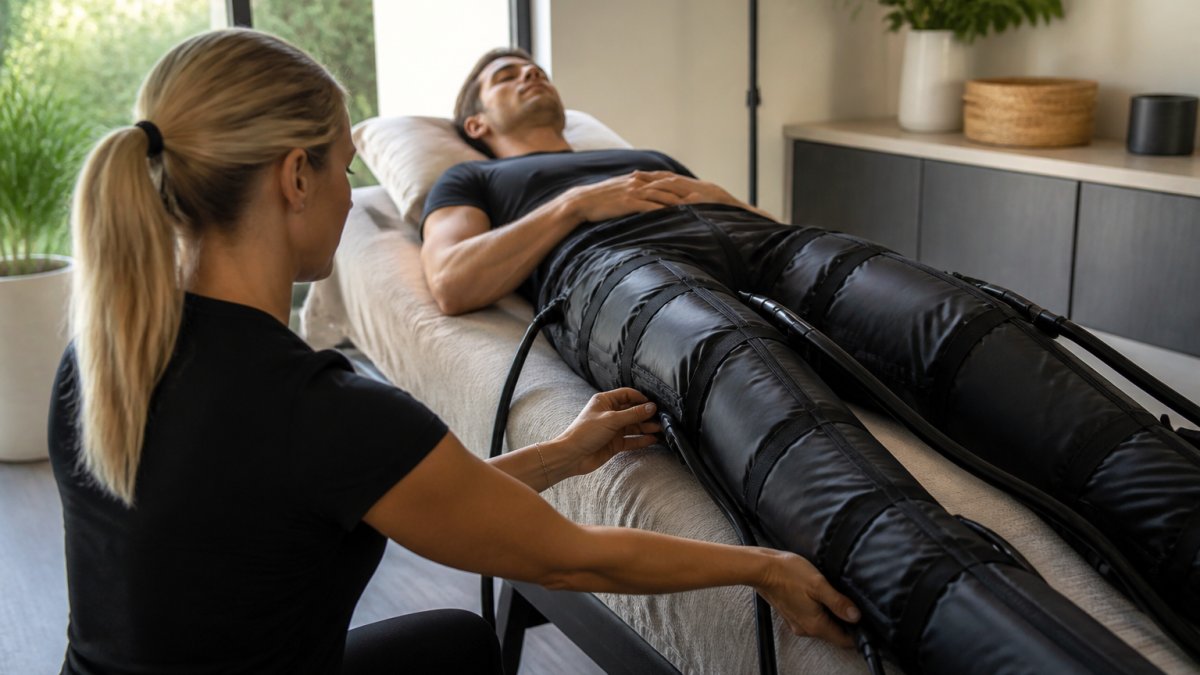
Manual lymphatic drainage uses light, rhythmic pressure applied by a trained practitioner, gentle, relaxing, and activating the parasympathetic nervous system for 30-60 minutes. Compression therapy uses external pneumatic pressure applied through sleeves or boots, working mechanically in 15-30 minutes with more immediate fluid movement sensation.
Manual lymphatic drainage integrates better into most athletes' routines and combines well with other recovery modalities. Compression therapy works well for specific areas but is harder to combine with other methods. At Wellness Oasis, our specialized lymphatic detox treatments feature our BallancerPro Lymphatic system, which is the only one outside of a plastic surgeon's office in North Georgia and can move lymphatic fluid through your body for a total body detox.
| Aspect | Manual Lymphatic Drainage | Compression Therapy |
|---|---|---|
| Pressure Type | Light, rhythmic, directional | Uniform pneumatic pressure |
| Session Duration | 30-60 minutes | 15-30 minutes |
| Practitioner Required | Yes | No (device-based) |
| Relaxation Factor | High (parasympathetic activation) | Moderate (mechanical sensation) |
| Best Timing | Post-workout within 2-4 hours | Flexible, can be used anytime |
| Equipment Cost | None (practitioner-based) | Initial investment required |
| Whole-Body Application | Yes | Typically limb-specific |
DIY Self-Massage Techniques for Athletes
Self-massage techniques support the process and maintain gains between professional sessions, though they cannot fully replicate professional lymphatic drainage.
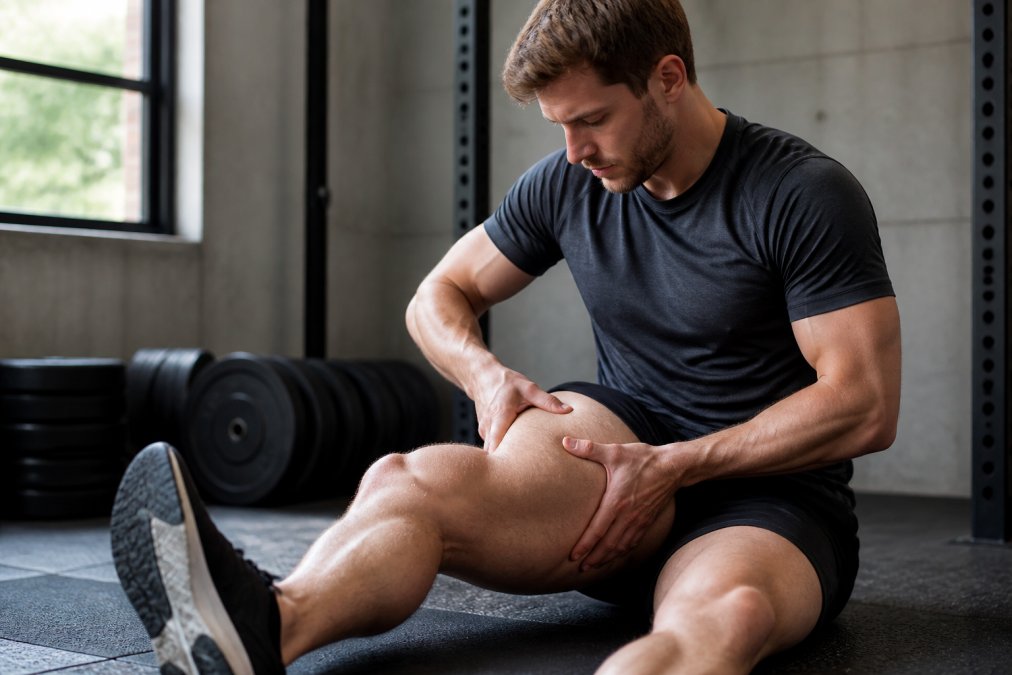
Lower-leg self-drainage: Sit with one leg extended and use your thumbs to apply light pressure from ankle toward knee in slow, deliberate strokes (5-10 times per leg). Always move toward the trunk, never downward, following your natural lymphatic pathways.
Thigh and hip work: Lie on your back with one knee bent and apply gentle pressure along the thigh from knee toward hip (8-10 passes per leg, 2-3 seconds per stroke). For hip flexors, place fingertips just below the hip bone and apply gentle upward pressure toward the abdomen, this area accumulates fluid after sprinting or explosive work.
Upper-body self-massage: Sit upright and apply light pressure along the opposite arm from wrist toward shoulder. Work the upper back by reaching across and applying gentle pressure along the trapezius. For chest and front shoulders, use flat palms and move pressure toward the armpits, where major lymph nodes sit.
Breathing integration: Combine self-massage with deep breathing, inhale for 4 counts, exhale for 6 counts. Longer exhalations activate your parasympathetic nervous system, which supports lymphatic function and accelerates lymphatic movement.
When self-massage falls short: Self-massage cannot effectively reach your trunk, lower abdomen, or deep lymph nodes in your chest and pelvis. Significant swelling in your torso, lower back, or deep legs requires professional drainage. Self-massage is also less effective immediately post-intense training; professional drainage within 2-4 hours post-workout captures the critical mobilization window more effectively.
Contraindications and caution: Avoid self-massage over acute injury, open wounds, or infection. Do not perform self-drainage if you have active lymphedema, recent surgery, or blood clots. Stop immediately if you experience pain, increased swelling, or unusual warmth. Light pressure is the standard; force works against lymphatic principles.
Integration with professional sessions: Combine weekly or bi-weekly professional drainage with daily self-massage on non-professional days. Many athletes perform 5-10 minutes of self-massage the morning after a professional session to reinforce the drainage work. This consistency creates cumulative benefits that neither approach alone delivers.
Integrating Lymphatic Drainage Into Your Training Plan
The optimal schedule depends on your sport, training volume, and competition calendar, different athletes have different lymphatic drainage athletes demands.
Sport-specific protocols:
Endurance athletes (distance runners, cyclists, triathletes): Schedule lymphatic drainage 1-2 times weekly during build phases, targeting legs and lower trunk where impact-driven swelling accumulates. During competition season, move to 2-3 sessions weekly if racing weekly. For ultra-endurance events, schedule a session 3-5 days pre-event to clear baseline swelling, and post-event drainage within 24-48 hours accelerates recovery from acute inflammation.
Explosive athletes (weightlifters, sprinters, jumpers): Schedule lymphatic drainage within 2-4 hours post-session for maximum effect. Weekly sessions during strength-building phases prevent chronic swelling that limits range of motion.
Pre-event vs. post-event timing:
Integration with other recovery modalities:
Seasonal integration:
Frequently Asked Questions
How often should athletes perform lymphatic drainage for recovery?
Frequency depends on training intensity and competition schedule. Most athletes benefit from lymphatic drainage 2-3 times per week during regular training phases, with sessions on non-competition days or after heavy workouts. During peak competition periods, daily or twice-daily sessions may support faster recovery. Consult with a massage therapist or sports medicine professional to create a schedule tailored to your sport and training volume.
Should lymphatic drainage happen before or after workouts?
Post-workout lymphatic drainage is generally more effective for recovery, as it helps clear metabolic waste and reduce inflammation while tissues are still warm. However, pre-event sessions (24-48 hours before competition) can reduce existing fluid retention and prepare muscles for performance. For daily training, post-workout sessions work best. Include 15-30 minutes of light activity or rest after drainage to allow the lymphatic system to continue moving fluid naturally.
What's the difference between manual lymphatic drainage and compression therapy?
Manual lymphatic drainage uses gentle, rhythmic hand techniques to stimulate lymph movement through specific pathways toward lymph nodes, requiring a trained therapist. Compression therapy uses external pressure (wraps, sleeves, or devices) to push fluid passively. Manual drainage is more targeted and activates the parasympathetic nervous system, supporting relaxation. Compression is convenient for self-application but less specific. Many athletes use both, manual drainage for recovery sessions and compression for convenience during travel or between sessions.
How quickly will I notice improvements in recovery after starting lymphatic drainage?
Some athletes report reduced muscle stiffness and improved range of motion within 24-48 hours of the first session. Measurable reductions in delayed onset muscle soreness (DOMS) typically appear after 3-5 sessions over 1-2 weeks. Longer-term benefits like improved cardiovascular efficiency and consistent performance gains develop over 4-8 weeks of regular sessions. Individual response varies based on training intensity, baseline fitness, and how well lymphatic drainage integrates with your overall recovery plan.