 ultimate-guide
Red Light Therapy: Science, Benefits, and Practical Guidance
Table of Contents
- What Is Red Light Therapy?
- Red Light Therapy Benefits for Recovery and Wellness
- How Long Does Red Light Therapy Take to Work?
- Red Light Therapy Safety: What You Need to Know
- Choosing the Right Red Light Therapy Devices
- Red Light Therapy for Athletes and Active Recovery
- Getting Started With Red Light Therapy
- Frequently Asked Questions
Last Updated: October 12, 2026
What Is Red Light Therapy?
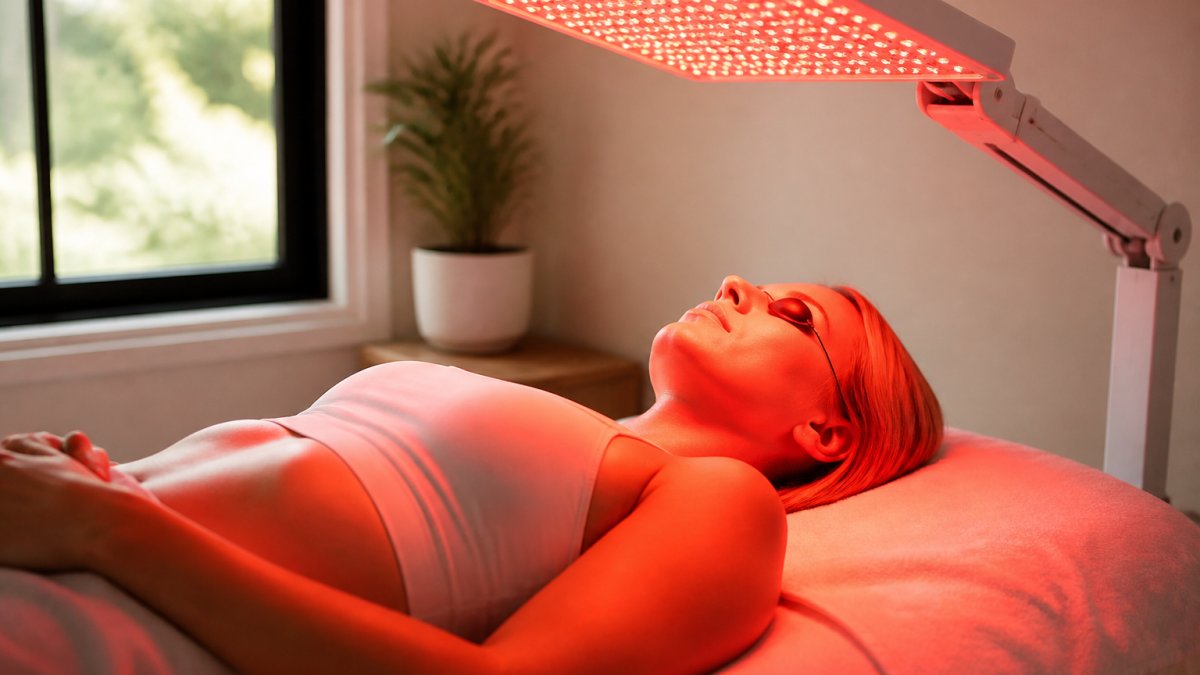
Red light therapy is a non-invasive treatment that uses specific wavelengths of red and near-infrared light to stimulate cellular activity and promote healing.
At Wellness Oasis, we understand that effective recovery requires addressing the cellular foundation of healing. The mechanism is straightforward: light energy is absorbed by mitochondria in your cells, triggering a cascade of biochemical responses that support natural healing processes.
How Light Therapy Works at the Cellular Level
When red light therapy reaches your cells, it's absorbed by a molecule called cytochrome c oxidase, which sits within the mitochondrial membrane (Mechanisms and Mitochondrial Redox Signaling in Photobiomodulation).
This cellular mechanism explains why red light therapy can support recovery across different tissue types. Muscle cells, skin cells, and connective tissue all benefit from improved ATP production. The light penetrates superficial tissue layers, reaching depths of several millimeters depending on wavelength and intensity.
Red Light vs. Near-Infrared Light
The visible red light spectrum (600-700 nanometers) and near-infrared light (700-1000 nanometers) serve different but complementary roles. Red light penetrates less deeply but is absorbed more readily by surface tissues, making it effective for skin health and superficial muscle work.
Many practitioners use both wavelengths together, as they trigger overlapping but distinct cellular responses. Red light is often associated with collagen production and skin-level healing, while near-infrared light is often used for reaching deeper structures and addressing inflammation in joints and connective tissue.
Red Light Therapy Benefits for Recovery and Wellness
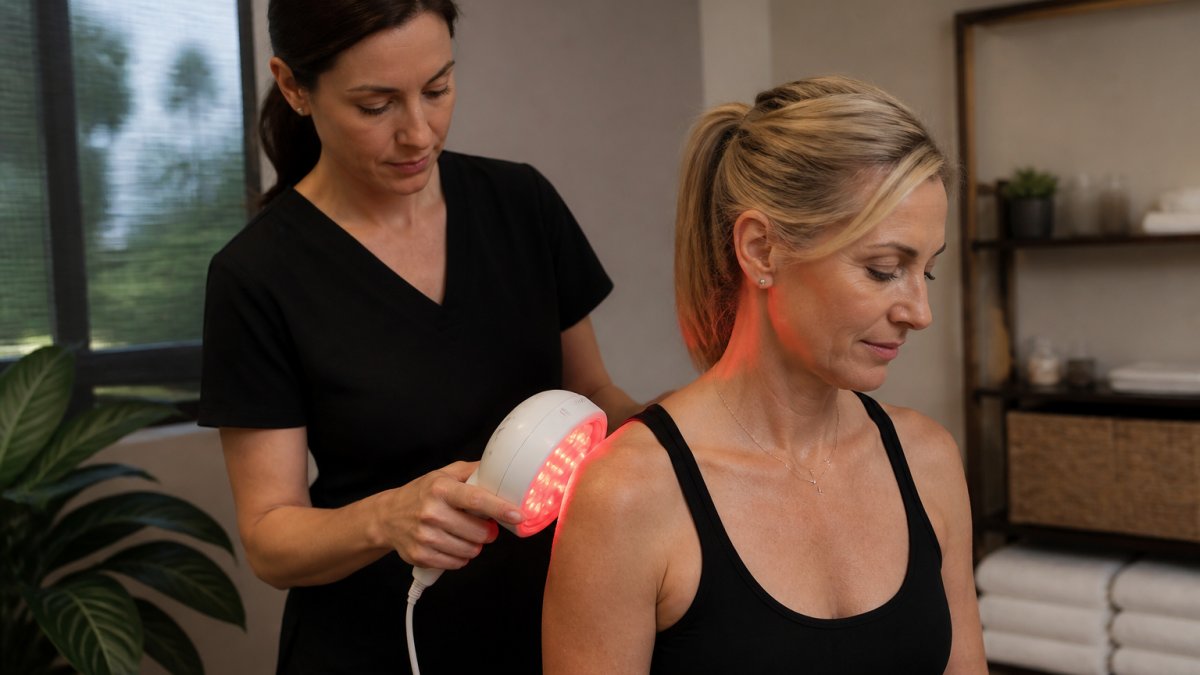
Red light therapy benefits span several areas of physical recovery and wellness. The most documented applications include pain management, skin health, and tissue repair. These benefits emerge from the same underlying mechanism, improved cellular energy production, but manifest differently depending on the tissue type and condition being addressed.
Pain Relief and Inflammation
Many athletes and active individuals report reduced pain and faster recovery when using red light therapy as part of their training routine. The light's ability to increase circulation and reduce inflammatory markers in tissue makes it particularly relevant for muscle soreness and joint discomfort.
Red light therapy doesn't suppress the body's healing response; instead, it appears to optimize it by reducing excessive inflammatory signaling while maintaining the repair process. This distinction matters because complete inflammation suppression would impair healing.
Skin Health and Collagen Production
Collagen is the structural protein that keeps skin firm, elastic, and resilient. As we age, collagen production naturally declines, leading to visible changes in skin texture and appearance.
Consistent exposure to red light wavelengths is often associated with improvements in skin texture, firmness, and overall appearance. The mechanism involves both direct stimulation of collagen synthesis and improved circulation that delivers oxygen and nutrients to skin cells.
Wound Healing and Tissue Repair
Wound healing progresses through distinct phases: inflammation, proliferation, and remodeling. Red light therapy supports the proliferation phase by enhancing cellular energy production in the cells responsible for building new tissue.
The light's penetration depth allows it to reach not just surface wounds but also deeper tissue injuries. Athletes recovering from muscle strains or connective tissue damage often integrate red light therapy into their recovery protocols.
How Long Does Red Light Therapy Take to Work?
The timeline for red light therapy results varies considerably depending on the condition being addressed, the consistency of treatment, and individual factors like age and tissue health. Some people report feeling improvements in pain or energy within days, while others notice gradual changes over weeks. Realistic expectations prevent disappointment and support sustained engagement with the therapy.
Treatment Frequency and Session Duration
Most red light therapy protocols recommend sessions ranging from 10 to 30 minutes, performed several times per week. Some conditions benefit from daily treatment, while others show better results with 3-4 sessions weekly.
Higher-intensity devices often require shorter sessions to avoid overstimulation, while lower-intensity systems may benefit from longer exposure times. Individual response varies, and many practitioners recommend starting with shorter sessions and adjusting based on how your body responds.
Realistic Timelines for Different Conditions
Pain relief and inflammation reduction often show changes within 1-2 weeks of consistent treatment, though the most significant improvements typically emerge over 4-8 weeks. Skin health improvements develop more gradually, with noticeable changes in texture and appearance generally appearing after 4-12 weeks of regular treatment.
Tissue repair from injuries follows the body's natural healing timeline but proceeds more efficiently with red light support. Minor muscle strains may show improvement within 2-3 weeks, while more significant injuries require longer healing periods.
Red Light Therapy Safety: What You Need to Know
Red light therapy is generally considered safe for most people when used appropriately. The light wavelengths used don't carry the ionizing radiation associated with UV exposure or X-rays. However, certain precautions and contraindications deserve attention to ensure safe and effective use.
Eye Protection and Contraindications
While red and near-infrared light don't damage eyes the way UV light does, direct eye exposure during treatment requires caution. Most devices include protective eyewear or are designed to avoid direct eye contact.
Pregnancy presents a consideration worth discussing with a healthcare provider before beginning treatment, though the light itself isn't inherently harmful. People with light-sensitive skin conditions or those taking medications that increase photosensitivity should also seek professional guidance.
Medication Interactions and Who Should Avoid It
Certain medications increase skin sensitivity to light, including some antibiotics, NSAIDs, and topical retinoids. If you're taking medications that increase photosensitivity, starting with shorter sessions and lower intensities allows you to assess individual tolerance. Thyroid conditions sometimes warrant caution.
People with a history of skin cancer or suspicious skin lesions should have those evaluated before beginning red light therapy. Existing conditions deserve professional assessment.
Choosing the Right Red Light Therapy Devices
Device selection significantly impacts treatment effectiveness and safety. Red light therapy devices vary widely in wavelength, irradiance (light intensity), treatment area, and price point. Understanding technical specifications helps you choose equipment suited to your specific needs and use case.
Key Technical Specifications: Wavelength and Irradiance
Wavelength determines which tissues the light reaches most effectively. Devices using 630-700 nanometers target surface tissues and skin, while 700-850 nanometer devices penetrate deeper into muscle and joint tissue.
Irradiance, measured in milliwatts per square centimeter (mW/cm²), indicates light intensity. Higher irradiance devices deliver more energy in shorter time periods, reducing required session duration.
Treatment area size determines how much tissue you can address in a single session.
At-Home vs. In-Clinic Treatment
At-home devices offer convenience and consistency, allowing you to integrate red light therapy into your daily routine. Consumer-grade devices have become increasingly sophisticated. The trade-off involves higher initial investment for quality devices but lower per-session costs over time.
In-clinic treatments provide access to higher-powered equipment and professional guidance on optimal protocols. Healthcare practitioners can assess your specific condition and customize treatment parameters accordingly.
Many active individuals use both approaches: in-clinic sessions for specific injury recovery combined with at-home maintenance therapy. Wellness Oasis integrates red light therapy with our comprehensive recovery services, including therapeutic massage and specialized lymphatic detox treatments, to address your complete recovery needs.
Red Light Therapy for Athletes and Active Recovery
Athletes represent one of the largest groups benefiting from red light therapy.
Muscle soreness following intense training may decrease with consistent red light therapy. This may allow athletes to maintain training intensity and frequency.
Many athletes integrate red light therapy into their post-workout routine, using 15-20 minute sessions within a few hours of training. This timing capitalizes on the body's heightened repair activity following exercise.
Getting Started With Red Light Therapy
Beginning red light therapy requires minimal preparation but benefits from a structured approach. Start with realistic expectations about timeline and consistency.
Begin with shorter session durations, 10-15 minutes, and gradually extend based on comfort and response.
Position the device at the recommended distance from your skin, typically 6-12 inches depending on the device's specifications. Direct the light perpendicular to the treatment area for maximum penetration.
Red light therapy represents a practical, non-invasive approach to supporting recovery and wellness. At Wellness Oasis, we combine red light therapy with our infrared light saunas, therapeutic massage, and specialized lymphatic detox treatments to create comprehensive recovery solutions tailored to your specific needs.
Frequently Asked Questions
How does red light therapy work?
Red light therapy uses specific wavelengths (typically 600-700 nanometers) that penetrate the skin and are absorbed by mitochondria in cells. This process, called photobiomodulation, stimulates the production of ATP, the cell's energy source. This increased cellular energy supports tissue repair, reduces inflammation, and enhances circulation. The light energy activates fibroblast cells, which are responsible for collagen production and skin rejuvenation. This mechanism applies across multiple tissues, from superficial skin layers to deeper muscle and joint structures.
What are the main benefits of red light therapy?
Red light therapy benefits include pain relief from arthritis and muscle soreness, accelerated wound healing and tissue repair, improved skin health through collagen production, reduced inflammation, and enhanced circulation. Athletes often use it for recovery between training sessions, while individuals managing chronic pain or recovering from medical conditions report improved function. The non-invasive nature of red light therapy makes it attractive for those seeking natural treatment options without medication or downtime. Results vary by condition and treatment consistency.
How long does red light therapy take to show results?
Results depend on the condition being treated and treatment frequency. Some users report noticing improvements in pain or circulation within 2-4 weeks of regular sessions, while skin benefits like improved texture or reduced acne may take 6-12 weeks. Acute injuries may respond faster than chronic conditions. Most effective results come from consistent treatment, typically 2-5 sessions per week for 10-20 minutes per session. Your therapist can establish a treatment plan tailored to your specific needs and timeline.
Is red light therapy safe for everyone?
Red light therapy is generally considered safe for most people, but certain precautions apply. Eye protection is recommended when treating facial areas, as direct eye exposure to intense light requires caution. Individuals taking photosensitizing medications or those with a history of skin cancer should consult a healthcare provider before beginning treatment. Pregnant individuals should seek professional guidance. A qualified therapist can assess your health history and determine whether red light therapy is appropriate for your specific situation.
What is the difference between red light and near-infrared light therapy?
Red light (600-700 nanometers) penetrates the skin to superficial tissue layers and is visible to the human eye. It excels at supporting skin health, collagen production, and surface-level wound healing. Near-infrared light (700-1100 nanometers) penetrates deeper into muscle, bone, and joint tissue and is not visible. It's often preferred for pain relief, arthritis, and deep tissue repair. Many effective therapy devices combine both wavelengths to address multiple tissue depths and therapeutic goals. Your condition and target tissue depth determine which wavelength is most appropriate.
What should I look for in a red light therapy device?
Key specifications include wavelength (ensure it matches your therapeutic goal, red for skin, near-infrared for deep tissue), irradiance (power output, measured in mW/cm²), and coverage area. Devices should emit wavelengths in the clinically effective range (600-1100 nanometers) and provide sufficient power for therapeutic effect. Consider whether you need a handheld device for targeted treatment or a larger panel for broader coverage. At-home devices offer convenience, while in-clinic treatments often provide higher-power options and professional guidance. Consult a therapist to select a device suited to your specific needs.
How often can I use red light therapy?
Most therapeutic protocols recommend 2-5 sessions per week, with each session lasting 10-20 minutes, depending on the condition and device power. Some users benefit from daily sessions, while others see results with less frequent treatment. Overuse is generally not harmful, but consistency matters more than frequency. Your response to treatment should guide adjustments to your schedule. A qualified therapist can design a frequency plan based on your condition, the device you're using, and your individual recovery response. Starting conservatively and adjusting based on results is a sensible approach.
Can red light therapy replace other treatments for chronic pain?
Red light therapy can be a valuable component of a comprehensive pain management plan, but it should not replace medical care for serious conditions without professional guidance. Many people combine red light therapy with physical therapy, massage, medication, or other treatments to achieve better outcomes. For chronic pain from conditions like arthritis or post-injury recovery, red light therapy addresses inflammation and cellular repair while other therapies target different aspects of healing. A healthcare provider can advise whether red light therapy is appropriate alongside your current treatment plan.