 blog
blog
Spas in Woodstock: Wellness & Recovery Guide
Table of Contents
- What to Expect From Spas in Woodstock
- Therapeutic Massage Benefits for Recovery and Wellness
- Lymphatic Detox Treatments: How They Support Healing
- Specialized Services for Athletes, Prenatal Care, and Medical Recovery
- Massage Therapy Frequency: How Often Should You Visit
- Wellness Technology and Holistic Treatment Modalities
- Choosing the Right Spa for Your Needs
- Frequently Asked Questions
Last Updated: September 30, 2026
What to Expect From Spas in Woodstock
Spas in Woodstock that prioritize therapeutic outcomes differ fundamentally from typical day spas. They combine clinical expertise with advanced wellness technology to address specific health challenges, injury recovery, chronic pain management, or athletic performance optimization.
Wellness Oasis combines therapeutic massage modalities, specialized detoxification services, and modern recovery technology.
Therapeutic spas focus on measurable outcomes. Therapists trained in medical recovery assess movement patterns, identify tissue restrictions, and design progressive protocols that build systematically rather than offering isolated sessions.
Therapeutic Massage Benefits for Recovery and Wellness
Therapeutic massage improves circulation, reduces muscle tension, and breaks pain cycles by releasing tension and restoring blood flow to damaged tissues.
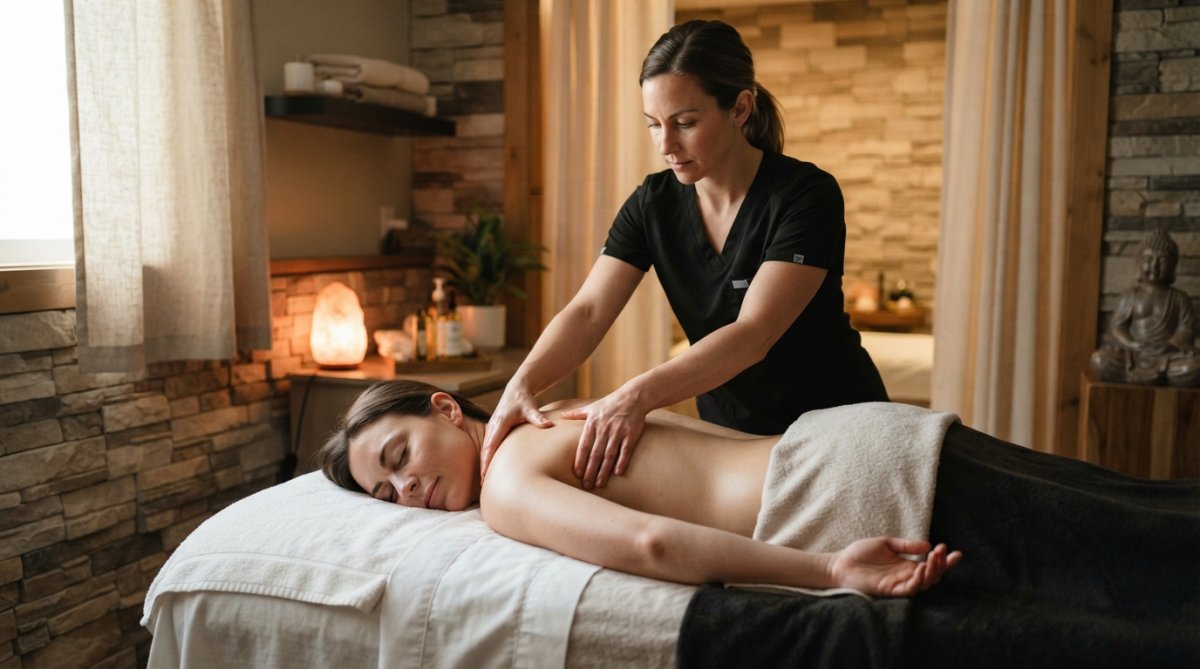
Regular therapeutic massage improves tissue elasticity, enhances proprioception, and reduces inflammation. Athletes may find faster recovery between sessions; those managing chronic conditions may experience improved well-being.
Soreness returns when treatment is isolated rather than systematic. A single session can't reverse months of tension; a structured protocol where each session builds on the previous one creates lasting change.
Lymphatic Detox Treatments: How They Support Healing
Your lymphatic system removes waste but relies on muscle contractions to flow, unlike your circulatory system. Sedentary periods, injury, or inflammation cause stagnation: fluid buildup increases swelling, which restricts movement and prevents drainage.
Specialized lymphatic detox treatments mechanically move lymphatic fluid through your body using rhythmic compression patterns, allowing elimination of metabolic waste and reduction of systemic inflammation.
Lymphatic congestion impairs immune function and slows tissue healing. Clearing pathways removes the blockade preventing repair, with patients reporting reduced fatigue and improved recovery speed after a series of treatments.
Lymphatic drainage is particularly valuable for post-surgical recovery, autoimmune conditions, and athletes during heavy training blocks.
Specialized Services for Athletes, Prenatal Care, and Medical Recovery
Different bodies need different approaches. Athletes, pregnant individuals, and medical recovery patients require distinct protocols. Specialized spas in Woodstock recognize these distinctions and design treatments accordingly.
Sports Recovery and Athletic Performance
Athletes operate in a cycle: training creates micro-damage, recovery allows adaptation, adaptation increases performance. Recovery quality, not training intensity, is the limiting factor. Specialized sports recovery protocols accelerate adaptation.
Deep tissue massage targets sport-specific muscle groups, addressing restrictions that limit power output. Combined with compression therapy and stretching, it shortens recovery windows between hard sessions.
Shock wave therapy stimulates tissue repair at the cellular level, particularly for chronic tendon issues or stubborn injuries.
Prenatal and Postpartum Massage Therapy
Pregnancy creates profound physical changes, shifted center of gravity, softened ligaments, hormonal shifts, that create specific muscular imbalances standard massage won't address.
Prenatal massage requires specialized training. Therapists understand pressure points to avoid, safe positioning as your body changes, and which muscle groups need attention at each pregnancy stage.
Postpartum massage addresses tissue damage from birth, restores core function, and supports nervous system recovery after labor.
Safety requires working with therapists specifically trained in prenatal care who understand your unique physiology at each stage.
Medical Recovery Support
Medical recovery from stroke, concussion, cancer treatment, or major surgery requires therapeutic intervention designed around medical reality, not general wellness principles.
Medical recovery massage addresses specific tissue changes after trauma. Stroke survivors may have altered muscle tone requiring neurological accommodation; cancer recovery patients may have scar tissue or lymphatic disruption requiring targeted treatment.
Integration of massage, lymphatic drainage, and targeted movement work creates comprehensive recovery.
Massage Therapy Frequency: How Often Should You Visit
For acute injuries, weekly or twice-weekly treatment during the acute phase (2-4 weeks) produces measurable improvement.
For chronic conditions, bi-weekly or monthly sessions maintain progress and prevent regression.
For athletes, frequency aligns with training volume: weekly during heavy blocks, monthly during lighter phases.
View massage as a process, not an isolated event. A series of sessions creates lasting change; your therapist will recommend frequency based on your specific situation. (Source: the role of the lymphatic system in detoxification)
Wellness Technology and Holistic Treatment Modalities
Modern therapeutic spas integrate technology with traditional massage to accelerate healing and address multiple body systems simultaneously. Understanding what these technologies do, and what they don't, helps you evaluate whether a spa's investment in equipment translates to better outcomes for your specific need.
Lymphatic Drainage Systems: Mechanical compression devices deliver standardized rhythmic pressure patterns that move fluid through lymphatic vessels. Sessions last 30-45 minutes; most people notice reduced swelling within 3-5 sessions. Particularly valuable for post-surgical swelling, autoimmune inflammation, and recovery when movement is limited.
Infrared Heat and Light Therapy: Infrared wavelengths penetrate tissue more deeply than surface heat, increasing circulation and supporting cellular repair. Before massage, it warms muscles and increases responsiveness; after massage, it extends healing by maintaining circulation. Sessions last 15-30 minutes; weekly treatment for 4-6 weeks produces measurable tissue changes.
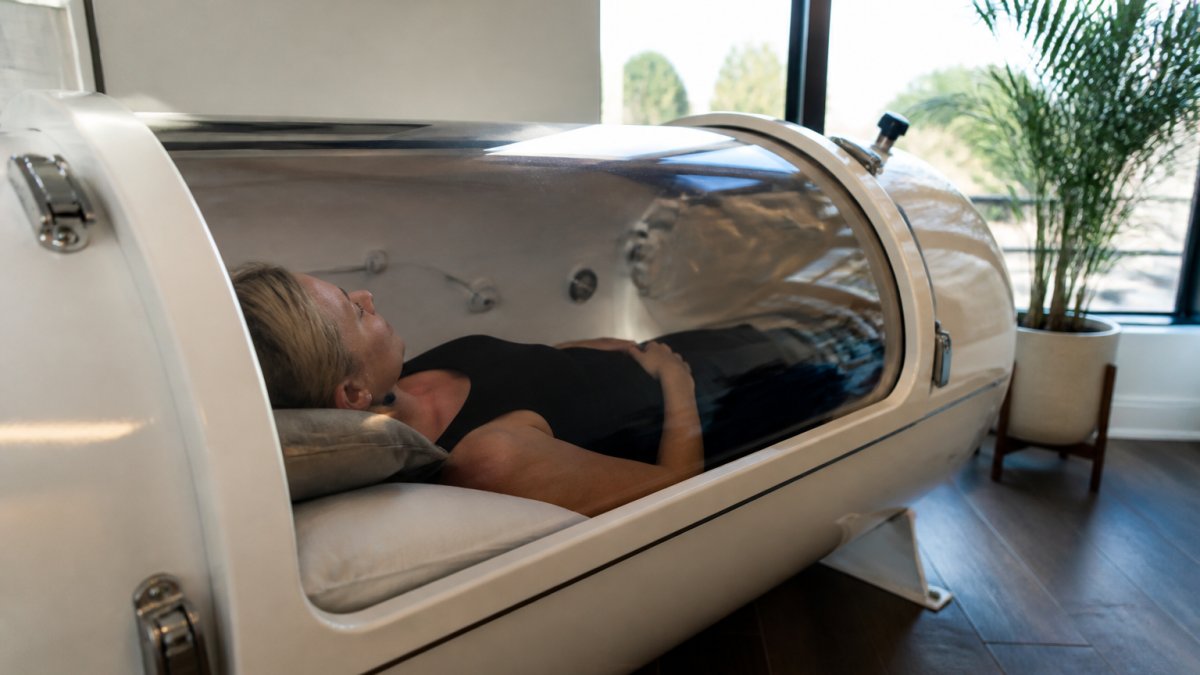
Hyperbaric Oxygen Therapy: Pressurized chambers increase oxygen concentration in your bloodstream, accelerating healing for wounds and tissue damage. Sessions last 60-90 minutes. Most effective for acute injuries or post-surgical recovery; chronic conditions require 20+ sessions.
Salt Cave Therapy (Halotherapy): Salt-saturated environments reduce airway inflammation and support mucus clearance. Sessions last 30-45 minutes; benefits accumulate over 10-15 visits. Complementary rather than primary, supports other treatments.
Whole-Body Cellular Vibration Systems: Controlled vibration stimulates muscle activation and improves circulation without active movement. Sessions last 10-15 minutes. Valuable for limited mobility, athletes seeking recovery without training stress, or those managing inflammation.
Biofeedback and Personalized Assessment Systems: Technology measures heart rate variability, muscle tension, and nervous system activation to guide customized treatment rather than generic protocols. Assessments take 20-30 minutes and should inform every subsequent session.
How These Modalities Work Together: Effective protocols combine multiple technologies synergistically. Infrared therapy prepares tissue, massage addresses restrictions, lymphatic drainage clears waste, and salt cave supports immune function. Each element can complement the others.
Evaluating Technology Investment: Ask these questions:
- Is the technology evidence-based? Hyperbaric oxygen, lymphatic compression, and infrared therapy have clinical research. Ask the spa to explain the mechanism, not just marketing claims.
- Is equipment well-maintained? Ask when it was last serviced and whether therapists are trained in proper use.
- Does technology complement or replace massage? Best spas enhance massage work, not replace it.
- Are protocols customized? Customization indicates therapeutic thinking; one-size-fits-all indicates marketing-driven service.
- What outcomes should you expect? One session provides temporary benefit; 4-8 weeks of regular treatment produces lasting change.
Technology can complement skilled therapeutic work. Specialized therapists, advanced systems, and integrated protocols can support healing.
Choosing the Right Spa for Your Needs
Not all spas in Woodstock serve the same purpose.
Once you've confirmed location, match the spa to your specific therapeutic need. Different spas excel in different areas, and choosing based on your primary goal dramatically improves outcomes.
For Deep Tissue and Chronic Muscle Tension: Look for spas that employ therapists with sports massage or clinical massage certification. Ask specifically about their approach to fascial release and whether they use tools like percussion massagers or myofascial release techniques. These facilities typically have therapists trained to work with sustained pressure and understand tissue layering. They should be able to explain how they assess movement restrictions and design progressive protocols rather than offering one-off sessions.
For Prenatal and Postpartum Recovery: Verify that therapists hold specialized prenatal certification (not just general massage licensure). Ask about their experience with each trimester, positioning and pressure protocols differ significantly across pregnancy stages. Confirm they understand postpartum-specific needs like diastasis recti assessment and pelvic floor awareness. The spa should have dedicated prenatal tables or positioning systems that safely support your changing body.
For Athletic Recovery and Performance: Seek facilities with therapists trained in sports medicine or athletic training backgrounds. Ask about their familiarity with sport-specific injury patterns (runner's knee differs from swimmer's shoulder). Confirm they offer complementary modalities like compression therapy, stretching protocols, or recovery technology. The best athletic-focused spas track your training schedule and adjust treatment timing accordingly, massage 24-48 hours post-workout is more effective than arbitrary scheduling.
For Medical Recovery (Post-Surgery, Stroke, Cancer Treatment): This requires the highest level of clinical expertise. Ask whether therapists have training in medical massage or rehabilitation. Confirm they require physician clearance and conduct thorough pre-treatment assessment.
Evaluate spas across these additional criteria:
Frequently Asked Questions
How often should I visit a spa for therapeutic massage benefits?
Massage therapy frequency depends on your goals and condition. For acute pain or injury recovery, weekly sessions may be recommended initially. For chronic pain management or wellness maintenance, bi-weekly or monthly visits often provide sustained benefits. Athletes typically benefit from massage therapy every 1-2 weeks during training cycles. Your therapist can recommend a schedule tailored to your specific needs during an initial consultation.
What makes lymphatic detox treatments different from regular massage?
Lymphatic detox treatments use specialized techniques and equipment designed to stimulate lymphatic fluid movement throughout your body. Unlike traditional massage focused on muscle tension, lymphatic drainage supports immune function, reduces swelling, and promotes toxin removal. These treatments are particularly valuable for post-injury recovery, immune support, and overall wellness. Your spa can explain how their specific lymphatic detox treatments work and whether they're appropriate for your health goals.
Is prenatal massage therapy safe during pregnancy?
Prenatal massage therapy is safe when performed by therapists trained in pregnancy care. Specialized techniques avoid pressure on certain areas and accommodate your changing body. Many pregnant individuals find prenatal massage reduces back pain, improves circulation, and supports relaxation. Always inform your massage therapist about your pregnancy and any medical conditions, and consult your healthcare provider before beginning any new treatment during pregnancy.
What should I look for when choosing a spa in Woodstock?
Look for spas with licensed, certified therapists experienced in your specific needs, whether that's sports recovery, prenatal care, or medical conditions. Check whether they offer the treatment modalities you're seeking, such as deep tissue massage, lymphatic drainage, or specialized recovery services. Confirm their appointment availability, and don't hesitate to call ahead with questions about therapist qualifications and treatment approaches.